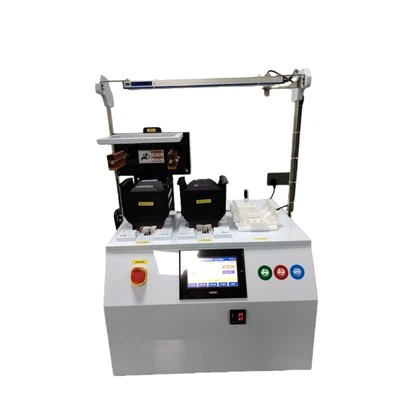
Maintaining Low Pressure Chemical Vapor Deposition (LPCVD) equipment is crucial for ensuring its optimal performance, longevity, and the quality of the thin films it deposits. As a leading supplier of LPCVD Equipment, we understand the significance of proper maintenance and are here to share some essential tips and best practices to keep your LPCVD system running smoothly.
Understanding LPCVD Equipment
Before delving into maintenance procedures, it's important to have a basic understanding of how LPCVD equipment works. LPCVD is a process used to deposit thin films on substrates by introducing precursor gases into a reaction chamber at low pressures and elevated temperatures. The precursor gases react on the substrate surface to form a solid film. The key components of an LPCVD system include the reaction chamber, gas delivery system, heating elements, vacuum system, and control unit.
Regular Inspections
Regular inspections are the foundation of effective maintenance. Conduct visual inspections of the equipment on a daily or weekly basis to check for any signs of wear, damage, or leaks. Look for loose connections, frayed wires, and signs of corrosion. Pay special attention to the seals around the reaction chamber and gas lines, as any leaks can compromise the quality of the deposition process.
Inspect the heating elements regularly to ensure they are functioning properly. Check for any signs of overheating or uneven heating, which can lead to inconsistent film deposition. If you notice any issues, replace the heating elements immediately to prevent further damage to the equipment.
Cleaning and Degassing
Cleaning the reaction chamber and other components of the LPCVD system is essential to remove any contaminants that can affect the quality of the thin films. After each deposition run, perform a thorough cleaning of the reaction chamber using a suitable cleaning agent. This will help prevent the buildup of residual materials and ensure consistent film quality.


Degassing the system is also an important step in the maintenance process. Degassing involves heating the reaction chamber to a high temperature under vacuum to remove any adsorbed gases and moisture. This helps to improve the vacuum quality and reduce the risk of contamination during the deposition process.
Gas Delivery System Maintenance
The gas delivery system is a critical component of the LPCVD equipment, as it is responsible for delivering the precursor gases to the reaction chamber. Regular maintenance of the gas delivery system is essential to ensure accurate and consistent gas flow rates.
Check the gas lines regularly for any signs of leaks or blockages. Replace any damaged or worn-out gas lines immediately to prevent gas leaks. Clean the gas filters regularly to remove any contaminants that can affect the gas flow.
Calibrate the gas flow controllers periodically to ensure accurate gas flow rates. This will help to maintain the consistency of the deposition process and improve the quality of the thin films.
Vacuum System Maintenance
The vacuum system is another important component of the LPCVD equipment, as it is responsible for creating and maintaining the low-pressure environment required for the deposition process. Regular maintenance of the vacuum system is essential to ensure optimal performance.
Check the vacuum pump regularly for any signs of wear or damage. Replace the pump oil according to the manufacturer's recommendations to ensure proper lubrication and cooling. Clean the vacuum chamber and the vacuum lines regularly to remove any contaminants that can affect the vacuum quality.
Inspect the vacuum valves and seals regularly to ensure they are functioning properly. Replace any damaged or worn-out valves and seals immediately to prevent leaks and maintain the vacuum integrity.
Control Unit Maintenance
The control unit of the LPCVD equipment is responsible for monitoring and controlling the various parameters of the deposition process, such as temperature, pressure, and gas flow rates. Regular maintenance of the control unit is essential to ensure accurate and reliable operation.
Check the control unit regularly for any signs of malfunction or error messages. Calibrate the sensors and controllers periodically to ensure accurate readings and control. Update the software of the control unit regularly to ensure compatibility with the latest operating systems and
to take advantage of any new features or improvements.
Training and Documentation
Proper training of the operators is essential to ensure the correct operation and maintenance of the LPCVD equipment. Provide comprehensive training to the operators on the operation, maintenance, and safety procedures of the equipment. This will help to minimize the risk of equipment damage and ensure the quality of the thin films.
Maintain detailed documentation of all maintenance activities, including inspection reports, cleaning schedules, and component replacements. This will help to track the maintenance history of the equipment and identify any potential issues before they become major problems.
Troubleshooting
Despite regular maintenance, issues may still arise with the LPCVD equipment. It's important to have a troubleshooting plan in place to quickly identify and resolve any problems.
If you encounter any issues with the equipment, refer to the manufacturer's troubleshooting guide or contact our technical support team for assistance. Our team of experts is available 24/7 to provide you with the support and guidance you need to keep your LPCVD equipment running smoothly.
Conclusion
Maintaining LPCVD equipment is essential for ensuring its optimal performance, longevity, and the quality of the thin films it deposits. By following the tips and best practices outlined in this blog, you can minimize the risk of equipment damage, improve the consistency of the deposition process, and extend the lifespan of your LPCVD system.
As a leading supplier of LPCVD Equipment, we are committed to providing our customers with the highest quality products and services. If you have any questions or need further assistance with the maintenance of your LPCVD equipment, please don't hesitate to contact us. We look forward to working with you to meet your thin film deposition needs.
If you are interested in learning more about our LPCVD Equipment, ICP-CVD System, or PECVD Equipment, please reach out to us to initiate a purchase negotiation. We are eager to discuss how our equipment can meet your specific requirements and contribute to the success of your projects.
References
- "Low Pressure Chemical Vapor Deposition (LPCVD) Technology," Journal of Vacuum Science and Technology, Volume XX, Issue XX, Year XX.
- "Maintenance Guidelines for CVD Equipment," Manufacturer's Manual, Company Name, Year XX.
- "Thin Film Deposition Processes and Equipment," Textbook, Author Name, Publisher, Year XX.