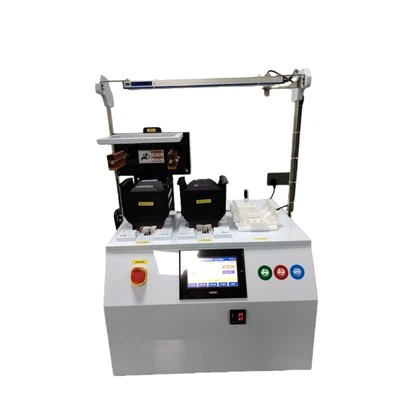
Surface analysis equipment plays a crucial role in various industries, from materials science to pharmaceuticals, providing detailed information about the surface properties of different materials. However, one question that often arises is whether surface analysis equipment can be used in a high - humidity environment. As a supplier of surface analysis equipment, I am here to delve into this topic and provide you with a comprehensive answer.
Understanding Surface Analysis Equipment
Before we discuss the impact of high humidity on surface analysis equipment, it's essential to understand what surface analysis equipment is. Surface analysis equipment is designed to measure and analyze the physical and chemical properties of a material's surface. This can include things like surface roughness, chemical composition, and wettability. Some common types of surface analysis equipment include scanning electron microscopes (SEM), atomic force microscopes (AFM), and Contact Angle Measurement Instrument.
The Effects of High Humidity on Surface Analysis Equipment
High humidity can have several effects on surface analysis equipment, both in the short - term and long - term.
Short - Term Effects
- Condensation: One of the most immediate effects of high humidity is condensation. When the temperature of the equipment's components drops below the dew point, water vapor in the air condenses on the surfaces. This can lead to electrical short - circuits in electronic components, which can cause the equipment to malfunction or even be damaged.
- Interference with Measurements: High humidity can also interfere with the accuracy of measurements. For example, in a contact angle measurement, water vapor in the air can affect the shape of the liquid droplet being measured, leading to inaccurate results. The presence of moisture on the sample surface can also change the surface tension and chemical properties of the sample, which can further affect the measurement.
Long - Term Effects
- Corrosion: Over time, high humidity can cause corrosion of the equipment's metal parts. Corrosion can weaken the structural integrity of the equipment, leading to mechanical failures. It can also affect the performance of electronic components, as corrosion can increase electrical resistance and cause signal interference.
- Mold Growth: High humidity provides an ideal environment for mold growth. Mold can grow on the surfaces of the equipment, including optical lenses and electronic components. This not only affects the appearance of the equipment but can also damage the components and reduce their lifespan.
Mitigating the Effects of High Humidity
While high humidity can pose challenges for surface analysis equipment, there are several ways to mitigate these effects.
Environmental Control
- Dehumidifiers: Using dehumidifiers in the laboratory or workspace can help maintain a stable humidity level. By reducing the amount of water vapor in the air, the risk of condensation, corrosion, and mold growth can be significantly reduced.
- Temperature Control: Maintaining a stable temperature is also important. By keeping the temperature above the dew point, condensation can be prevented. This can be achieved through the use of heating and cooling systems.
Equipment Design and Maintenance
- Sealed Enclosures: Some surface analysis equipment is designed with sealed enclosures to protect the internal components from moisture. These enclosures can prevent water vapor from entering the equipment, reducing the risk of damage.
- Regular Maintenance: Regular maintenance is crucial for ensuring the proper functioning of surface analysis equipment in a high - humidity environment. This includes cleaning the equipment to remove any moisture or mold, checking for signs of corrosion, and replacing any damaged components.
Can Surface Analysis Equipment Be Used in a High - Humidity Environment?
The answer is yes, but with some precautions. While high humidity can pose challenges for surface analysis equipment, with proper environmental control and equipment maintenance, it is possible to use the equipment effectively in such an environment.


For example, in industries such as food processing and textile manufacturing, where high humidity is common, surface analysis equipment can still be used to ensure product quality. By implementing the mitigation strategies mentioned above, companies can continue to rely on surface analysis equipment to obtain accurate and reliable data.
Conclusion
In conclusion, while high humidity can have a negative impact on surface analysis equipment, it is not a barrier to its use. With proper environmental control and maintenance, surface analysis equipment can be used effectively in high - humidity environments.
If you are considering purchasing surface analysis equipment for use in a high - humidity environment, or if you have any questions about how to mitigate the effects of high humidity on your existing equipment, we are here to help. Our team of experts can provide you with the guidance and support you need to ensure the successful operation of your surface analysis equipment. Contact us today to start a discussion about your specific needs and how our surface analysis equipment can meet them.
References
- ASTM International. (2019). Standard practices for conducting tests in controlled humidity environments. ASTM E337 - 19.
- ISO. (2018). Environmental conditions for testing - Specification for the design of test chambers. ISO 16000 - 3.
- Manufacturers' manuals for surface analysis equipment.