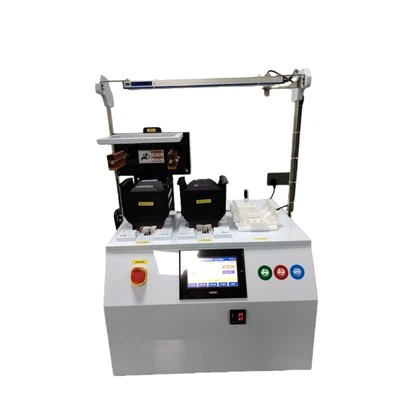
Ensuring the safety of operating a 3D Optical Profiler is of utmost importance, not only for the well - being of the operators but also for the proper functioning and longevity of the equipment. As a 3D Optical Profiler supplier, we understand the significance of safety in every aspect of using our products. In this blog, we will discuss some key strategies to guarantee the safe operation of a 3D Optical Profiler.
1. Pre - operation Safety Checks
Before starting to operate the 3D Optical Profiler, a series of pre - operation safety checks should be carried out. First, visually inspect the equipment for any visible damage, such as cracks in the casing, loose cables, or damaged connectors. Ensure that all the components are in place and properly installed. For example, check if the objective lenses are securely attached and the stage is moving smoothly.
Next, verify the power supply. Make sure that the power cord is in good condition without any exposed wires. Plug the profiler into a grounded electrical outlet to prevent electrical shock. It is also essential to check the voltage requirements of the equipment and ensure that the power source matches these requirements.


Another important pre - operation check is to review the software settings. Ensure that the software is up - to - date and configured correctly for the specific application. Incorrect software settings can lead to inaccurate measurements and potentially dangerous situations. For instance, if the measurement range is set incorrectly, it may cause the profiler to operate outside its safe limits.
2. Operator Training
Proper operator training is crucial for the safe operation of a 3D Optical Profiler. Operators should be trained on the basic principles of the profiler, including how to use the software, how to handle the samples, and how to interpret the measurement results.
Training should cover the safety features of the equipment, such as emergency stop buttons and safety interlocks. Operators need to know how to use these features in case of an emergency. For example, if there is an unexpected movement of the stage or a malfunction in the optical system, the operator should be able to quickly press the emergency stop button to prevent further damage.
In addition to theoretical training, practical hands - on training is also necessary. Operators should practice operating the profiler under the supervision of an experienced trainer. This allows them to gain confidence and proficiency in using the equipment safely.
3. Sample Handling
When using a 3D Optical Profiler, proper sample handling is essential for safety. Samples should be prepared carefully to ensure that they are clean and free from any contaminants that could damage the optical system. Before placing the sample on the stage, make sure that it is securely mounted. Loose samples can move during the measurement process, which may cause inaccurate results and potentially damage the profiler.
It is also important to handle samples with appropriate tools. For example, use tweezers or other suitable instruments to pick up and place the samples on the stage. Avoid touching the sample surface with bare hands, as fingerprints or other contaminants on the hands can affect the measurement accuracy.
4. Environmental Considerations
The environment in which the 3D Optical Profiler is operated can have a significant impact on its safety and performance. The profiler should be placed in a clean, dry, and well - ventilated area. Dust, humidity, and temperature fluctuations can all affect the accuracy of the measurements and the lifespan of the equipment.
For example, high humidity can cause condensation on the optical components, which may lead to corrosion and reduced performance. Therefore, it is recommended to use a dehumidifier in the operating area if the humidity level is too high.
The temperature should be maintained within a suitable range. Extreme temperatures can cause thermal expansion or contraction of the components, which may affect the alignment of the optical system. Most 3D Optical Profilers have an optimal operating temperature range specified by the manufacturer, and it is important to ensure that the environment meets these requirements.
5. Maintenance and Calibration
Regular maintenance and calibration are essential for the safe and accurate operation of a 3D Optical Profiler. Maintenance tasks include cleaning the optical components, lubricating the moving parts, and checking the electrical connections.
Cleaning the optical components, such as the lenses and mirrors, should be done using appropriate cleaning solutions and tools. Improper cleaning can scratch the surfaces of the optical components, which will affect the quality of the measurements.
Calibration is also crucial to ensure the accuracy of the profiler. The profiler should be calibrated regularly according to the manufacturer's recommendations. Calibration involves comparing the measurements of the profiler with a known standard. If the measurements deviate from the standard, adjustments should be made to ensure the accuracy of the equipment.
6. Safety Equipment
In addition to the safety features built into the 3D Optical Profiler, operators should also use appropriate safety equipment. This includes safety glasses to protect the eyes from potential laser radiation or flying debris. If the profiler uses lasers, operators should be aware of the laser safety regulations and follow them strictly.
Gloves can also be worn to protect the hands from any chemicals or sharp edges on the samples. Depending on the specific application, other safety equipment such as ear protection may also be required if the profiler produces loud noise during operation.
7. Emergency Procedures
It is important to have well - defined emergency procedures in place in case of any accidents or malfunctions. Operators should be familiar with these procedures and know how to respond quickly and effectively.
For example, in case of a fire, operators should know the location of the fire extinguishers and how to use them. In case of an electrical shock, operators should know how to turn off the power supply safely and provide first - aid if necessary.
Regular emergency drills should be conducted to ensure that all operators are prepared to handle emergencies.
Connect with Us for Your 3D Optical Profiler Needs
At our company, we are committed to providing high - quality 3D Optical Profiler along with comprehensive safety guidelines and support. Our products are designed with the latest safety features to ensure a safe and efficient operation. We also offer training programs to help you and your team operate the profiler safely and effectively.
If you are interested in learning more about our 3D Optical Profiler or other related products such as the Microscope - Based Photoelectrical Analysis System and Magneto - Optic Kerr Effect Microscopy System, please feel free to contact us for a detailed discussion. We are here to assist you in making the right choice for your measurement needs and to ensure the safety of your operations.
References
- Manufacturer's manual of the 3D Optical Profiler.
- Safety guidelines for optical measurement equipment.
- Industry standards for operating and maintaining optical profilers.