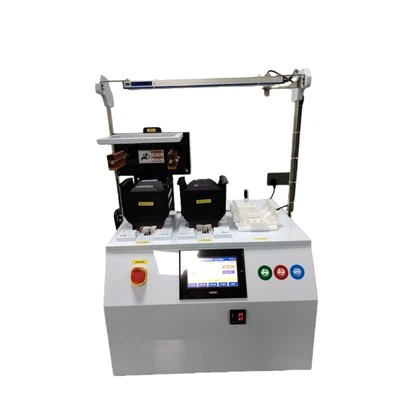
Hey there! I'm a supplier of packaging equipment, and today I want to chat about the challenges we face when using packaging equipment in a clean-room environment. Clean rooms are super important in industries like pharmaceuticals, electronics, and food, where even the tiniest bit of contamination can cause big problems. So, let's dig into the nitty-gritty of what makes it tough to use packaging equipment in these super-clean spaces.
Contamination Control
One of the biggest challenges in a clean-room environment is keeping contamination at bay. Packaging equipment can be a major source of particles, whether it's from the machinery itself, the materials it uses, or the operators handling it. For example, moving parts in the equipment can generate dust and debris through friction and wear. Even the act of packaging products can create particles, like when cutting or sealing materials.
To tackle this issue, we need to design our equipment with contamination control in mind. That means using materials that produce minimal particles, like stainless steel and certain plastics. We also need to make sure the equipment is easy to clean and maintain. Regular cleaning and disinfection are crucial to prevent the build-up of contaminants. And let's not forget about the operators. They need to follow strict protocols, like wearing clean-room suits, gloves, and masks, to minimize the introduction of particles from their bodies.
Airflow and Ventilation
Clean rooms rely on precise airflow and ventilation systems to maintain the desired level of cleanliness. Packaging equipment can disrupt these airflow patterns, creating areas where particles can accumulate. For instance, large pieces of equipment can block the flow of air, leading to stagnant zones. This can cause particles to settle on the equipment and the products being packaged.
As a packaging equipment supplier, we need to work closely with clean-room designers to ensure that our equipment fits seamlessly into the airflow system. We might need to modify the design of the equipment to allow for better air circulation. For example, we could add vents or channels to direct the airflow around the equipment. And we need to test our equipment in a clean-room setting to make sure it doesn't have a negative impact on the ventilation system.
Static Electricity
Static electricity is another headache in clean-room environments. It can attract dust and particles, causing contamination. In addition, static discharge can damage sensitive electronic components, which is a big no-no in industries like electronics manufacturing. Packaging equipment often generates static electricity during operation, especially when handling materials like plastics and paper.
To combat static electricity, we can use anti-static materials in the construction of our equipment. We can also install static eliminators, which neutralize the static charge in the air. And operators need to be trained to handle materials in a way that minimizes the generation of static electricity. For example, they can use grounding straps to prevent the build-up of static charge on their bodies.
Compatibility with Clean-Room Standards
Clean rooms have strict standards and regulations that govern everything from the cleanliness level to the materials that can be used. As a packaging equipment supplier, we need to make sure our equipment meets these standards. This can be a real challenge, as the standards can vary depending on the industry and the specific requirements of the clean room.
We need to invest in research and development to ensure that our equipment is compliant with the latest clean-room standards. This might involve using special coatings or materials that are resistant to chemicals and easy to clean. We also need to provide detailed documentation and certification to prove that our equipment meets the required standards. And we need to stay up-to-date with any changes in the standards, so we can make the necessary adjustments to our equipment.
Maintenance and Downtime
Maintaining packaging equipment in a clean-room environment can be a real pain. The strict cleanliness requirements mean that maintenance procedures need to be carefully planned and executed to avoid introducing contaminants. And any downtime for maintenance can have a significant impact on production.
We need to design our equipment to be as maintenance-friendly as possible. This might mean using modular components that can be easily replaced, or designing the equipment in a way that allows for quick access to critical parts. We also need to provide comprehensive training to the operators and maintenance staff on how to perform maintenance tasks in a clean-room environment. And we need to have a reliable support system in place to minimize downtime in case of any issues.
Cost
Let's face it, using packaging equipment in a clean-room environment can be expensive. The cost of designing, manufacturing, and maintaining equipment that meets the strict clean-room standards is high. In addition, there are the costs associated with operating the clean room itself, such as energy consumption and personnel training.
As a supplier, we need to work with our customers to find cost-effective solutions. This might involve offering different levels of equipment based on their specific needs and budget. We can also help them optimize their clean-room operations to reduce costs. For example, we can recommend ways to improve the efficiency of the equipment, which can lead to lower energy consumption.
Integration with Other Systems
In a clean-room environment, packaging equipment often needs to be integrated with other systems, such as filling machines, labeling machines, and conveyor belts. Ensuring seamless integration can be a challenge, as each system might have its own requirements and specifications.

We need to have a good understanding of the other systems in the clean room and how they interact with our packaging equipment. We need to work closely with the other equipment suppliers to ensure that the integration is smooth and trouble-free. This might involve developing custom interfaces or software to connect the different systems.
Training and Education
Finally, one of the biggest challenges is ensuring that the operators and maintenance staff are properly trained and educated on how to use the packaging equipment in a clean-room environment. The strict protocols and procedures can be complex, and it's important that everyone understands their role in maintaining the cleanliness of the environment.
We need to provide comprehensive training programs for our customers. This might include on-site training, online courses, and user manuals. We also need to offer ongoing support and education to keep the operators and maintenance staff up-to-date with the latest best practices.
In conclusion, using packaging equipment in a clean-room environment is full of challenges. But as a packaging equipment supplier, we're up for the task. We're constantly working on improving our equipment to meet the strict clean-room standards and to overcome these challenges. If you're in the market for packaging equipment for your clean-room environment, we'd love to have a chat with you. We can help you find the right solutions for your specific needs. Just reach out and let's start the conversation.
If you're interested in our Laser Sealing Welding Machine, feel free to check out the link for more details.
References
- Various industry reports on clean-room technology and packaging equipment
- Technical specifications and guidelines from clean-room standards organizations