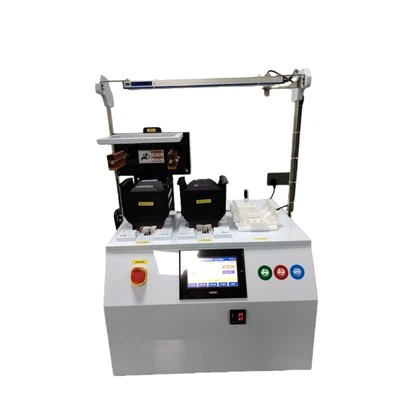
Hey there! As a supplier of Tube Thermal Furnaces, I often get asked about the heating rate of these nifty pieces of equipment. So, I thought I'd take a deep dive into what the heating rate of a tube thermal furnace really means, why it matters, and how it can impact your operations.
What is the Heating Rate?
Let's start with the basics. The heating rate of a tube thermal furnace refers to how quickly the furnace can raise the temperature inside the tube. It's usually measured in degrees Celsius per minute (°C/min). For example, if a furnace has a heating rate of 10°C/min, it means that the temperature inside the tube will increase by 10 degrees Celsius every minute.
The heating rate is a crucial factor because it can significantly affect the quality of the materials being processed. Different materials have different optimal heating rates. If the heating rate is too fast, it can cause thermal stress, which may lead to cracking, warping, or other defects in the material. On the other hand, if the heating rate is too slow, it can result in longer processing times, which can be costly in terms of energy consumption and productivity.
Factors Affecting the Heating Rate
Several factors can influence the heating rate of a tube thermal furnace. Here are some of the most important ones:
1. Power of the Heating Element
The power of the heating element is one of the primary factors that determine the heating rate. A higher-powered heating element can transfer more heat energy to the tube, resulting in a faster heating rate. However, it's important to note that increasing the power too much can also lead to overheating and damage to the furnace or the material being processed.
2. Insulation
Good insulation is essential for maintaining a high heating rate. Insulation helps to reduce heat loss from the furnace, allowing more of the heat generated by the heating element to be used to raise the temperature inside the tube. A well-insulated furnace will have a faster heating rate and be more energy-efficient.
3. Tube Material and Size
The material and size of the tube can also affect the heating rate. Different materials have different thermal conductivities, which determine how quickly they can transfer heat. For example, a tube made of a material with high thermal conductivity, such as copper, will heat up faster than a tube made of a material with low thermal conductivity, such as ceramic. Additionally, the size of the tube can also impact the heating rate. A smaller tube will generally heat up faster than a larger tube because there is less material to heat.
4. Gas Flow
The flow of gas inside the tube can also influence the heating rate. Gas flow can help to distribute heat more evenly inside the tube, which can improve the heating rate. However, if the gas flow is too high, it can also cause heat loss, which can slow down the heating rate.
Why the Heating Rate Matters
The heating rate is not just a technical detail; it can have a significant impact on your business. Here are some reasons why the heating rate matters:
1. Product Quality
As mentioned earlier, the heating rate can affect the quality of the materials being processed. By choosing the right heating rate, you can ensure that your products are of high quality and free from defects.
2. Productivity
A faster heating rate means that you can process more materials in less time, which can increase your productivity and reduce your production costs.
3. Energy Efficiency
A well-designed tube thermal furnace with an appropriate heating rate can be more energy-efficient, which can save you money on your energy bills.
Our Tube Thermal Furnaces
At our company, we offer a range of tube thermal furnaces with different heating rates to meet the needs of our customers. Our furnaces are designed with high-quality heating elements and excellent insulation to ensure fast and efficient heating.
We also offer several types of thermal processing furnaces, including the Vertical Thermal Processing Furnace, the Proton Exchange Furnace, and the Mercury Annealing Furnace. Each of these furnaces is designed for specific applications and offers unique features and benefits.
Choosing the Right Heating Rate
When choosing a tube thermal furnace, it's important to consider the heating rate that is appropriate for your application. Here are some tips to help you choose the right heating rate:
1. Consider the Material
Different materials have different optimal heating rates. For example, some materials may require a slow heating rate to prevent thermal stress, while others may be able to tolerate a faster heating rate. Make sure to research the optimal heating rate for the material you are processing.
2. Evaluate Your Production Needs
If you need to process a large volume of materials quickly, you may want to choose a furnace with a faster heating rate. However, if you are processing materials that are sensitive to heat, a slower heating rate may be more appropriate.
3. Consult with an Expert
If you are unsure which heating rate is right for your application, don't hesitate to consult with an expert. Our team of experts can help you choose the right furnace and heating rate for your specific needs.
Conclusion
The heating rate of a tube thermal furnace is an important factor that can significantly affect the quality, productivity, and energy efficiency of your operations. By understanding the factors that affect the heating rate and choosing the right furnace for your application, you can ensure that you get the best results.
If you're interested in learning more about our tube thermal furnaces or have any questions about the heating rate, please don't hesitate to reach out. We're here to help you find the perfect solution for your thermal processing needs.


References
- Smith, J. (2020). Thermal Processing Handbook. Publisher Name.
- Johnson, A. (2019). Fundamentals of Furnace Design. Another Publisher.