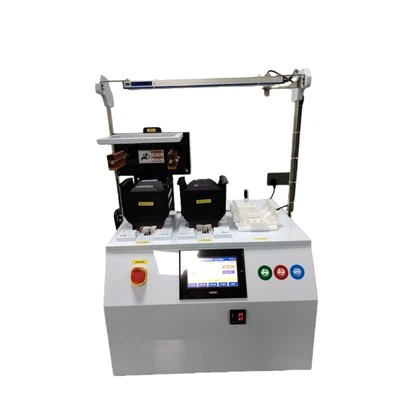
When it comes to the semiconductor manufacturing industry, a Wafer Guide Machine is a crucial piece of equipment. As a supplier of Wafer Guide Machines, I've had the chance to talk with numerous customers about their needs and concerns. One of the most common questions I get is about the cost-effectiveness considerations when choosing a Wafer Guide Machine. So, let's dive right into it.
Initial Purchase Cost
The first thing that comes to mind for most buyers is the upfront cost. It's no secret that buying a Wafer Guide Machine is a significant investment. You'll find a wide range of prices in the market, depending on the brand, features, and specifications.
Some high - end machines come with advanced technologies like precision alignment systems and high - speed processing capabilities. These features can drive up the price, but they also offer better performance. On the other hand, there are more budget - friendly options that may not have all the bells and whistles but can still get the job done for smaller operations.
When looking at the initial purchase cost, you need to think about your long - term goals. If you're a large - scale semiconductor manufacturer with high - volume production, investing in a more expensive, high - performance Wafer Guide Machine might be worth it. It can increase your production efficiency and reduce the risk of errors, which can save you money in the long run. But if you're a startup or a small - scale operation, you might want to start with a more affordable option and upgrade as your business grows.
Operating Costs
Operating costs are another major factor in cost - effectiveness. These costs include things like energy consumption, maintenance, and the cost of consumables.
Energy consumption can vary widely between different Wafer Guide Machines. Some machines are designed to be more energy - efficient, which can lead to significant savings over time. For example, a machine with a low-power motor or advanced power management system will use less electricity, reducing your utility bills.
Maintenance is also an important consideration. Regular maintenance is necessary to keep your Wafer Guide Machine running smoothly and to prevent breakdowns. Some machines are easier to maintain than others. They may have accessible parts, clear maintenance instructions, and a shorter downtime for servicing. You should also consider the cost of spare parts. Some manufacturers offer more affordable spare parts, which can reduce your overall maintenance costs.
Consumables, such as guide pins and lubricants, are also part of the operating costs. You need to make sure that the machine you choose uses consumables that are readily available and not too expensive. Otherwise, you could end up spending a lot of money on these small items over time.

Productivity and Throughput
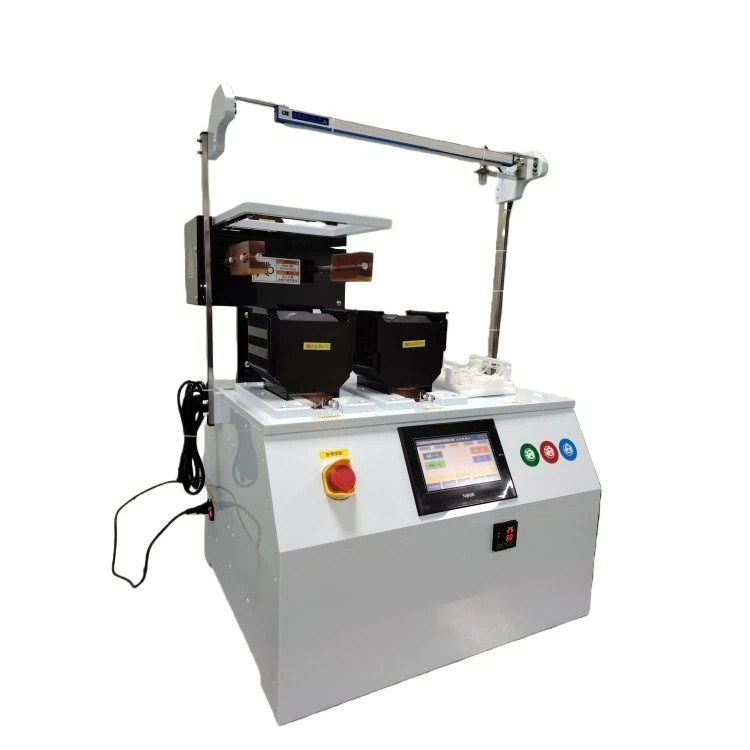
Productivity and throughput are key indicators of cost - effectiveness. A Wafer Guide Machine that can handle more wafers in a shorter amount of time will increase your production capacity and reduce your per-unit production cost.
The speed of the machine is an obvious factor. Faster machines can process more wafers per hour, which is great for high - volume production. But speed isn't the only thing. The accuracy and reliability of the machine also play a big role. A machine that can accurately guide wafers without making mistakes will reduce the number of defective products. This means less waste and higher overall productivity.
You should also consider the machine's flexibility. Can it handle different sizes and types of wafers? If your production needs change in the future, having a machine that can adapt will save you from having to buy a new one.
Compatibility and Integration
In a semiconductor manufacturing facility, a Wafer Guide Machine doesn't work in isolation. It needs to be compatible with other equipment in your production line, such as wafer loaders, unloaders, and inspection systems.
If the machine isn't compatible with your existing equipment, you may need to make costly modifications or even replace other parts of your production line. This can significantly increase the overall cost of implementing the Wafer Guide Machine.
Integration is also important. A machine that can be easily integrated into your existing production process will reduce downtime and increase efficiency. Some machines come with software interfaces that allow them to communicate with other equipment, making the entire production process more seamless.
Training and Support
Training your staff to operate the Wafer Guide Machine is an important part of the cost-effectiveness equation. Some machines are more user-friendly than others, which means less training time and cost.
A good manufacturer will provide comprehensive training for your operators. This can include on-site training, online tutorials, and user manuals. The quality of the training can have a big impact on how quickly your staff can start using the machine effectively.
Support is also crucial. You need to know that you can get help when you run into problems. A reliable manufacturer will offer technical support, either over the phone or on - site. They should also have a good warranty policy, which can protect you from unexpected repair costs.
Resale Value
Finally, you should consider the resale value of the Wafer Guide Machine. If you decide to upgrade or replace the machine in the future, having a high resale value can offset some of the initial purchase cost.
The resale value of a machine depends on several factors, such as its brand, condition, and the demand in the market. Well - known brands with a good reputation tend to have a higher resale value. Machines that are in good condition and have been well-maintained will also fetch a better price.
In conclusion, choosing a Wafer Guide Machine involves a lot of cost-effectiveness considerations. You need to look at the initial purchase cost, operating costs, productivity, compatibility, training, support, and resale value. By carefully evaluating these factors, you can make an informed decision that will save you money in the long run.
If you're in the market for a Wafer Guide Machine and want to discuss your specific needs and cost-effectiveness concerns, I'd love to have a chat with you. Feel free to reach out, and we can start a conversation about finding the right machine for your business.
References
- Industry reports on semiconductor manufacturing equipment costs
- Technical specifications of various Wafer Guide Machines
- Case studies of semiconductor manufacturers using different Wafer Guide Machines