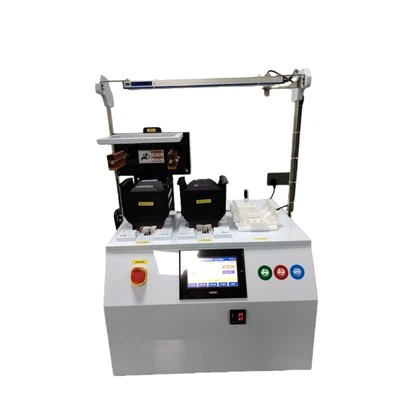
As a reputable spin rinse dryer supplier, I often encounter inquiries from customers regarding the maximum temperature a spin rinse dryer can reach. This is a crucial question, especially for industries where temperature control is vital for the quality and integrity of the products being dried. In this blog post, I'll delve into the factors influencing the maximum temperature of spin rinse dryers, explore typical temperature ranges, and discuss the implications of high - temperature operation.
Factors Influencing the Maximum Temperature
Heating Mechanisms
The heating mechanism employed in a spin rinse dryer plays a significant role in determining the maximum temperature it can achieve. There are generally two common types of heating systems: electrical heating and hot air heating.
Electrical heating elements are often used in spin rinse dryers. These elements work by converting electrical energy into heat. The power of the electrical heating elements, measured in watts, directly affects the maximum temperature. Higher - wattage heating elements can generate more heat, allowing the dryer to reach higher temperatures. However, there are limitations. The heat - resistant materials used in the dryer's construction must be able to withstand the heat generated by the elements. If the temperature exceeds the material's heat - resistance threshold, it can lead to damage, such as melting or warping of components.
Hot air heating systems, on the other hand, blow hot air into the drying chamber. The temperature of the hot air is regulated by a heating unit, and the airflow rate also affects the overall temperature inside the dryer. The efficiency of the hot air circulation system can determine how evenly the heat is distributed and how quickly the desired temperature can be reached.
Insulation
Insulation is another critical factor. Good insulation helps to retain heat within the drying chamber, reducing heat loss to the surrounding environment. A well - insulated spin rinse dryer can reach and maintain higher temperatures more effectively. High - quality insulation materials, such as fiberglass or ceramic fiber, are commonly used. The thickness and density of the insulation layer also contribute to its effectiveness. If the insulation is poor, a significant amount of heat will be lost, and the dryer will have to work harder to achieve and maintain the desired temperature, which can also lead to increased energy consumption.
Safety Features
Safety is of utmost importance in any industrial equipment, including spin rinse dryers. Most spin rinse dryers are equipped with temperature sensors and control systems to prevent overheating. These safety features are designed to cut off the power supply to the heating elements if the temperature exceeds a pre - set limit. This limit is usually set based on the safety requirements of the dryer's components and the products being dried. For example, if the dryer is used to dry delicate semiconductor wafers, the maximum temperature will be set relatively low to avoid damaging the wafers.

Typical Temperature Ranges
The maximum temperature a spin rinse dryer can reach varies depending on its design and intended application.
For general - purpose spin rinse dryers used in industries such as automotive parts manufacturing or metal finishing, the maximum temperature can typically range from 60°C to 120°C. These dryers are mainly used to remove water from the surface of parts, and the relatively moderate temperature is sufficient for this purpose.
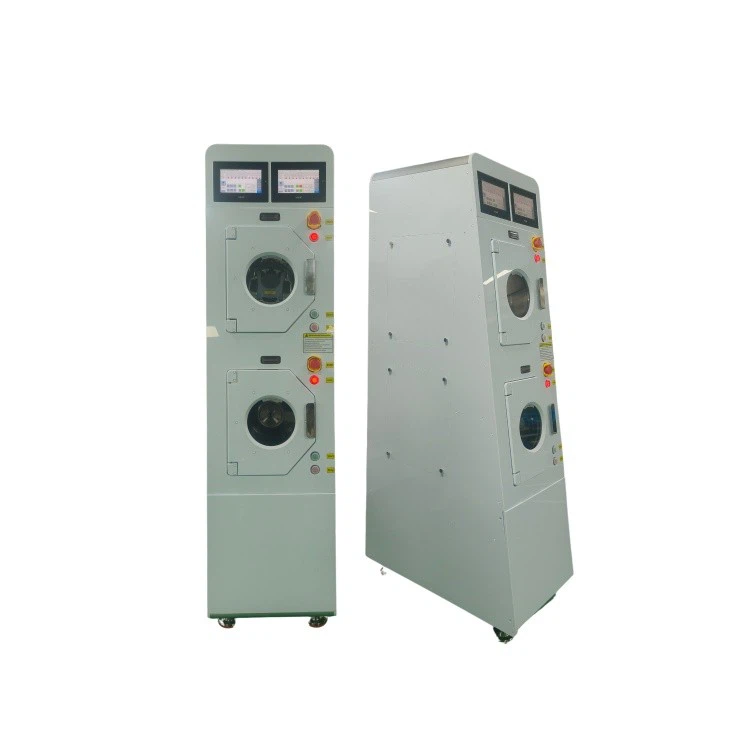
In the semiconductor industry, where Vertical Wafer Dryer and Horizontal Wafer Dryer are commonly used, the temperature requirements are more stringent. The maximum temperature for wafer dryers is usually in the range of 40°C to 80°C. This is because semiconductor wafers are extremely sensitive to temperature changes. High temperatures can cause thermal stress, which may lead to cracking or warping of the wafers, affecting their electrical properties and performance.
For some specialized applications, such as drying heat - resistant materials or performing certain chemical processes during drying, spin rinse dryers can be designed to reach higher temperatures. In these cases, the maximum temperature can go up to 200°C or even higher. However, these high - temperature dryers require special design considerations, such as using high - temperature - resistant materials for all internal components and enhancing the insulation and cooling systems to ensure safe operation.
Implications of High - Temperature Operation
Product Quality
When operating a spin rinse dryer at high temperatures, the quality of the dried products can be significantly affected. As mentioned earlier, in the semiconductor industry, high temperatures can damage wafers. In other industries, such as food or pharmaceutical drying, high temperatures can cause chemical reactions, change the physical properties of the products, or even lead to the degradation of active ingredients. Therefore, it is essential to carefully select the appropriate drying temperature based on the characteristics of the products.
Energy Consumption
High - temperature operation generally requires more energy. The heating elements need to work harder to generate and maintain the high temperature, and the insulation system needs to be more effective to reduce heat loss. This can lead to increased energy costs, which is an important consideration for industrial users. To optimize energy consumption, it is advisable to use energy - efficient heating systems and control the drying process precisely to avoid unnecessary high - temperature operation.
Equipment Lifespan
Operating a spin rinse dryer at high temperatures for extended periods can also reduce the lifespan of the equipment. High temperatures can cause wear and tear on components, such as seals, gaskets, and heating elements. The insulation materials may also degrade over time due to the high - temperature environment. Regular maintenance and proper operation at appropriate temperatures can help to extend the lifespan of the dryer.
Conclusion
In conclusion, the maximum temperature a spin rinse dryer can reach is influenced by multiple factors, including heating mechanisms, insulation, and safety features. The typical temperature ranges vary depending on the application, from relatively low temperatures for delicate products like semiconductor wafers to higher temperatures for heat - resistant materials. High - temperature operation has implications for product quality, energy consumption, and equipment lifespan.
As a spin rinse dryer supplier, we understand the importance of providing the right equipment for different applications. We offer a wide range of spin rinse dryers, including Vertical Wafer Dryer and Horizontal Wafer Dryer, with different temperature capabilities to meet the diverse needs of our customers.
If you are in the market for a spin rinse dryer and have specific temperature requirements for your drying process, we encourage you to contact us for a detailed discussion. Our team of experts can help you select the most suitable dryer for your application and provide professional advice on operation and maintenance.
References
- "Industrial Drying Technology" by Mujumdar, Arun S.
- "Semiconductor Manufacturing Technology" by Wolf, Stanley.