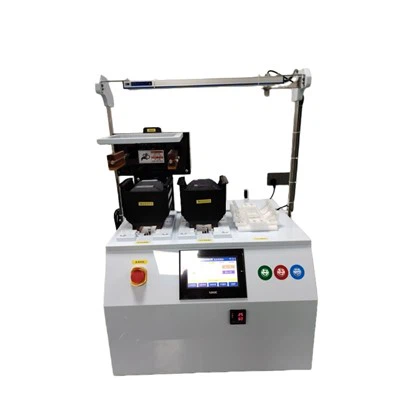
Hey there! As a supplier of Wafer Guide Machines, I'm stoked to dive into the nitty - gritty details of the common specifications of these awesome pieces of equipment. If you're in the semiconductor industry or just curious about wafer handling, you're in the right place. And if you want to learn more about our Wafer Guide Machine, just click the link!
1. Physical Dimensions
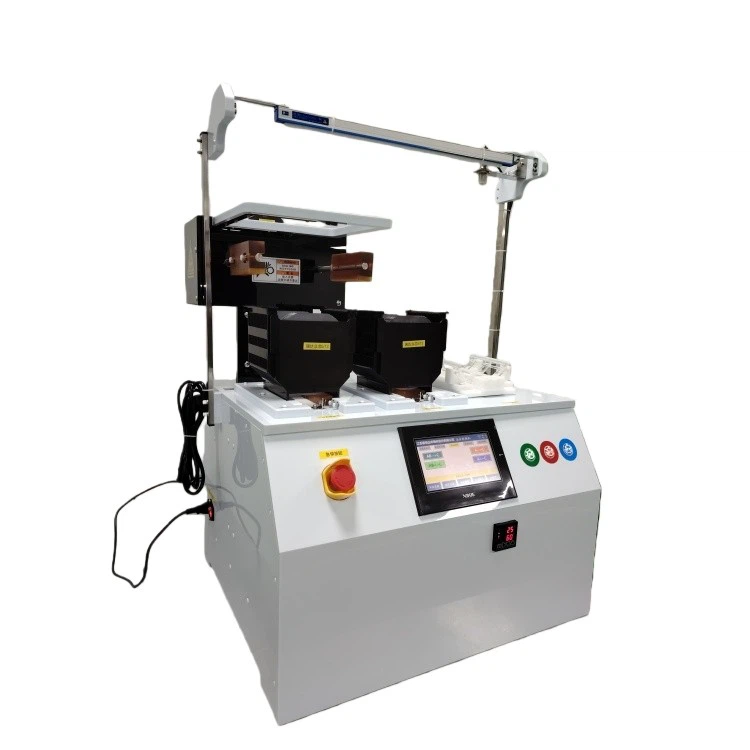
Let's start with the basics - the physical size of a Wafer Guide Machine. It's super important because it needs to fit into your existing semiconductor manufacturing setup. Most common Wafer Guide Machines are designed to be compact, but still robust enough to handle wafers with precision.
The length of a typical machine can range from about 1 to 2 meters. This allows it to be placed alongside other equipment in a cleanroom environment without taking up too much space. The width is usually around 0.8 to 1.5 meters, which gives enough room for the internal components and the wafer - handling mechanisms. And the height? Well, it's generally around 1 to 1.8 meters, depending on the complexity of the machine and whether it has additional features like integrated sensors or control panels.

2. Wafer Compatibility
One of the most crucial aspects of a Wafer Guide Machine is its ability to handle different types of wafers. These machines are usually designed to work with wafers of various diameters, such as 100mm, 150mm, 200mm, and 300mm. That's right, they can adapt to different wafer sizes, which is a huge plus for semiconductor manufacturers who may need to switch between production runs with different wafer dimensions.
When it comes to wafer thickness, a common Wafer Guide Machine can typically handle wafers ranging from about 100 microns to 800 microns. This wide range ensures that it can accommodate wafers at different stages of the semiconductor manufacturing process, from thin, fragile wafers during the initial fabrication steps to thicker, more robust ones after multiple processing layers.
3. Precision and Accuracy
In the semiconductor world, precision is key. A Wafer Guide Machine needs to be able to position wafers with extremely high accuracy. The positioning accuracy of a common machine is usually within a few microns, often around ± 2 to ± 5 microns. This means that it can place a wafer exactly where it needs to be, which is crucial for processes like lithography, where even the slightest misalignment can lead to defective chips.
The repeatability of the machine is also top - notch. Repeatability refers to the machine's ability to perform the same operation over and over again with consistent results. A good Wafer Guide Machine can achieve a repeatability of better than ± 1 micron. This ensures that every wafer is handled and placed in the same precise manner, which is essential for high - volume, high - quality semiconductor production.
4. Speed and Throughput
Time is money in the semiconductor industry, so the speed and throughput of a Wafer Guide Machine are important factors. The loading and unloading speed of wafers can vary depending on the machine's design and the complexity of the wafer - handling task. However, a common machine can typically load and unload a single wafer in less than a second.
When it comes to throughput, which is the number of wafers the machine can process in a given time, it can range from 50 to 200 wafers per hour. Of course, this can be adjusted based on the specific requirements of your production line, such as the number of processing steps and the overall cycle time.
5. Control System
The control system of a Wafer Guide Machine is like its brain. It's responsible for coordinating all the movements and operations of the machine. Most common machines use a programmable logic controller (PLC) or a computer - based control system.
The control system allows operators to program the machine to perform specific tasks, such as adjusting the wafer position, changing the handling speed, or setting up different wafer - handling sequences. It also provides real - time monitoring and feedback, so operators can keep an eye on the machine's performance and make any necessary adjustments on the fly.
6. Material and Build Quality
The materials used in the construction of a Wafer Guide Machine are carefully chosen to ensure durability and reliability. The frame of the machine is usually made of high - strength aluminum or stainless steel. These materials are lightweight yet strong enough to withstand the rigors of continuous operation in a cleanroom environment.
The internal components, such as the motors, sensors, and guides, are also of high quality. The motors are designed to provide smooth and precise movement, while the sensors are used to detect the position and orientation of the wafers. The guides are made of materials that offer low friction and high wear resistance, ensuring that the wafers can be moved smoothly and accurately.
7. Safety Features
Safety is always a top priority in any manufacturing environment, and Wafer Guide Machines are no exception. Common machines are equipped with a variety of safety features to protect both the operators and the wafers.
For example, they have emergency stop buttons that can be pressed in case of an emergency. There are also sensors that detect if a wafer is misaligned or if there is an obstruction in the machine's path. If such a situation is detected, the machine will automatically stop to prevent any damage to the wafer or the machine itself.
In addition, the machines are designed to meet strict safety standards, such as those related to electrical safety and mechanical protection. This gives you peace of mind knowing that your operators are working in a safe environment.
8. Maintenance Requirements
Like any piece of equipment, a Wafer Guide Machine requires regular maintenance to ensure optimal performance. The maintenance requirements are usually quite straightforward.
The machine needs to be kept clean, especially in the areas where the wafers are handled. This helps to prevent contamination, which can affect the quality of the semiconductor chips. The lubrication of the moving parts also needs to be checked and replenished regularly to ensure smooth operation.
Most machines also come with self - diagnostic features, which can detect any potential problems before they become serious. This allows for proactive maintenance, reducing the downtime of the machine and increasing its overall productivity.
If you're in the market for a Wafer Guide Machine and want to learn more about our products, or if you have specific requirements for your semiconductor production line, don't hesitate to get in touch. We're here to help you find the perfect solution for your needs. Whether it's discussing the specifications in more detail, getting a quote, or arranging a demonstration, we're just a message away. Let's start a conversation and see how our Wafer Guide Machines can take your semiconductor manufacturing to the next level!
References
- Semiconductor Equipment Handbook
- Industry reports on wafer handling technology