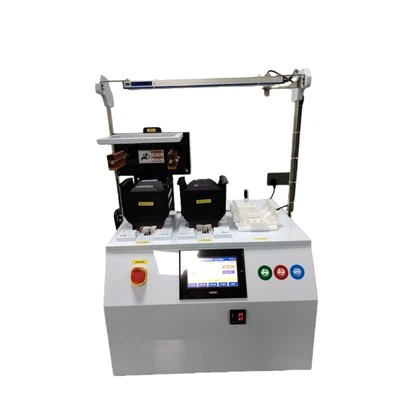
Hey there! I'm a supplier of TC Wafer, and today I'm gonna talk about the testing methods for TC Wafer's thermal properties. TC Wafer, you can check it out here, is a crucial component in many high - tech industries, and understanding its thermal properties is super important.
1. Why Test Thermal Properties of TC Wafer?
First off, let's understand why we even bother testing the thermal properties of TC Wafer. In modern electronics, thermal management is a big deal. TC Wafers are often used in devices where heat dissipation and thermal stability can make or break the performance. For example, in high - power LEDs, if the TC Wafer can't handle the heat properly, it can lead to reduced lifespan and lower efficiency of the LED. So, by testing its thermal properties, we can ensure that the TC Wafer meets the requirements of different applications.
2. Steady - State Testing Methods
2.1. Guarded Hot Plate Method
The guarded hot plate method is a classic way to measure the thermal conductivity of TC Wafer. It works on a pretty simple principle. You place the TC Wafer between a heated plate and a cooled plate. The heated plate supplies a constant heat flux to the wafer, and the cooled plate absorbs the heat. The temperature difference between the two plates is measured, along with the heat flow rate.
To set it up, you need to make sure that the plates are in good contact with the wafer to minimize contact resistance. The guarded part of the method comes from having a guard heater around the main heating plate. This guard heater helps to ensure that the heat flow is one - dimensional through the wafer. Once the system reaches a steady - state, you can calculate the thermal conductivity using Fourier's law of heat conduction.
The advantage of this method is its high accuracy. It's a well - established technique, and if you follow the standards carefully, you can get very reliable results. However, it's a bit time - consuming because you have to wait for the system to reach a steady - state, which can take several hours depending on the material and the setup.
2.2. Heat Flow Meter Method
The heat flow meter method is another steady - state testing method. It's similar to the guarded hot plate method, but instead of directly measuring the heat flux, it uses a heat flow meter. The heat flow meter is placed between the heated and cooled plates, and it measures the heat flow passing through it.
This method is a bit more convenient than the guarded hot plate method in some ways. It's generally faster because the heat flow meter can quickly measure the heat flow. But it also has some limitations. The accuracy might be slightly lower compared to the guarded hot plate method, especially if the heat flow meter is not calibrated properly.
3. Transient Testing Methods
3.1. Laser Flash Method
The laser flash method is a very popular transient testing method for measuring the thermal diffusivity of TC Wafer. In this method, a short laser pulse is applied to one side of the wafer. The laser pulse heats up the surface of the wafer instantaneously, and then the temperature rise on the opposite side of the wafer is measured as a function of time.
The thermal diffusivity can be calculated from the time it takes for the temperature to rise on the opposite side. And once you know the thermal diffusivity, you can calculate the thermal conductivity if you also know the density and specific heat capacity of the TC Wafer.
One of the big advantages of the laser flash method is its speed. You can get results in a matter of seconds or minutes, which is a huge plus when you have a lot of samples to test. It's also suitable for testing a wide range of materials, including TC Wafers with different thicknesses and compositions. However, it requires a relatively expensive laser system and sophisticated data analysis software.
3.2. Transient Plane Source Method
The transient plane source method is a more recent development in transient testing. It uses a thin, circular heating element that is placed between two halves of the TC Wafer sample. The heating element acts as both a heat source and a temperature sensor.
When a current is passed through the heating element, it heats up the surrounding wafer material, and at the same time, it measures the temperature change. By analyzing the temperature - time relationship, you can calculate the thermal conductivity and thermal diffusivity of the
TC Wafer.
This method is quite versatile. It can be used to test materials with different shapes and sizes, and it can also measure both in - plane and through - plane thermal properties. But like the laser flash method, it requires specialized equipment, and the data analysis can be a bit complex.
4. Other Considerations in Testing
When testing the thermal properties of TC Wafer, there are a few other things to keep in mind.
4.1. Sample Preparation
The way you prepare the sample can have a big impact on the test results. The surface of the wafer should be smooth and clean to ensure good contact with the testing equipment. If there are any scratches or contaminants on the surface, it can increase the contact resistance and affect the accuracy of the measurements.
4.2. Temperature Range
The thermal properties of TC Wafer can change with temperature. So, it's important to test the wafer over the temperature range that it will be used in. For example, if the TC Wafer is going to be used in a device that operates at high temperatures, you need to test it at those high - temperature conditions to get a realistic understanding of its performance.
5. Conclusion and Call to Action
In conclusion, there are several methods available for testing the thermal properties of TC Wafer, each with its own advantages and disadvantages. Whether you choose a steady - state method like the guarded hot plate or a transient method like the laser flash, the key is to understand the requirements of your application and choose the most appropriate method.

As a TC Wafer supplier, I'm always here to help you with any questions you might have about testing or the product itself. If you're looking to purchase TC Wafers for your project, I'd love to have a chat with you. We can discuss your specific needs, and I can provide you with high - quality TC Wafers that meet your thermal property requirements. So, don't hesitate to reach out if you're interested in starting a procurement discussion!
References
- ASTM D5470 - Standard Test Method for Thermal Transmission Properties of Thermally Conductive Electrical Insulating Materials.
- ISO 22007 - 2:2008 Plastics - Determination of thermal conductivity and thermal diffusivity - Part 2: Transient plane heat source (hot disk) method.
- Touloukian, Y. S., & Ho, C. Y. (Eds.). (1970). Thermophysical Properties of Matter: The TPRC Data Series. Plenum Press.