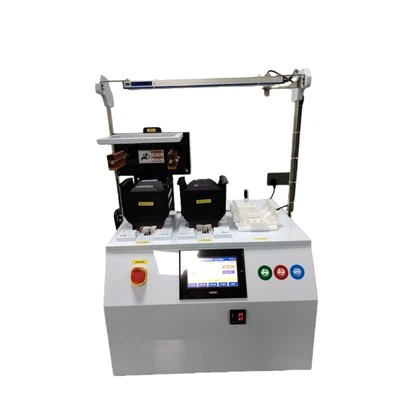
As a supplier of Vertical Wafer Dryers, I've had the privilege of delving deep into the intricacies of wafer drying technology. One of the most common questions we encounter from our clients is about the difference in drying performance between single - layer and multi - layer Vertical Wafer Dryers. In this blog, I'll explore this topic in detail, shedding light on the unique features and benefits of each type.
Understanding the Basics of Vertical Wafer Dryers
Before we dive into the comparison, let's first understand what a Vertical Wafer Dryer is. A Vertical Wafer Dryer is a crucial piece of equipment in the semiconductor manufacturing process. It is designed to remove moisture from wafers after the cleaning process, ensuring that the wafers are dry and ready for the next stage of production. The vertical orientation allows for efficient use of space and helps in achieving uniform drying across the wafer surface.
Single - Layer Vertical Wafer Dryers
Single - layer Vertical Wafer Dryers are relatively straightforward in design. They are typically used for drying a single wafer at a time. This type of dryer offers several advantages.
Precision Drying
One of the key benefits of single - layer dryers is the high level of precision they offer. Since only one wafer is being dried at a time, the drying parameters can be carefully controlled. This ensures that the wafer is dried uniformly, without any hotspots or uneven drying. For applications where the quality of the wafer is of utmost importance, such as in high - end semiconductor manufacturing, single - layer dryers are often the preferred choice.
Flexibility
Single - layer dryers also provide greater flexibility. They can easily accommodate different wafer sizes and types. If a manufacturer needs to dry wafers of various diameters or materials, a single - layer dryer can be adjusted to meet these requirements. This makes it a versatile option for research and development facilities or small - scale production lines.
Faster Drying for Small Batches
For small - batch production, single - layer dryers can be more efficient. Since there is no need to wait for multiple wafers to dry simultaneously, the drying process can be completed more quickly. This can lead to shorter production cycles and increased productivity.
However, single - layer dryers also have some limitations. They are not as efficient for large - scale production as multi - layer dryers. The throughput is relatively low, as only one wafer can be dried at a time. This can result in longer production times and higher costs per wafer.
Multi - Layer Vertical Wafer Dryers
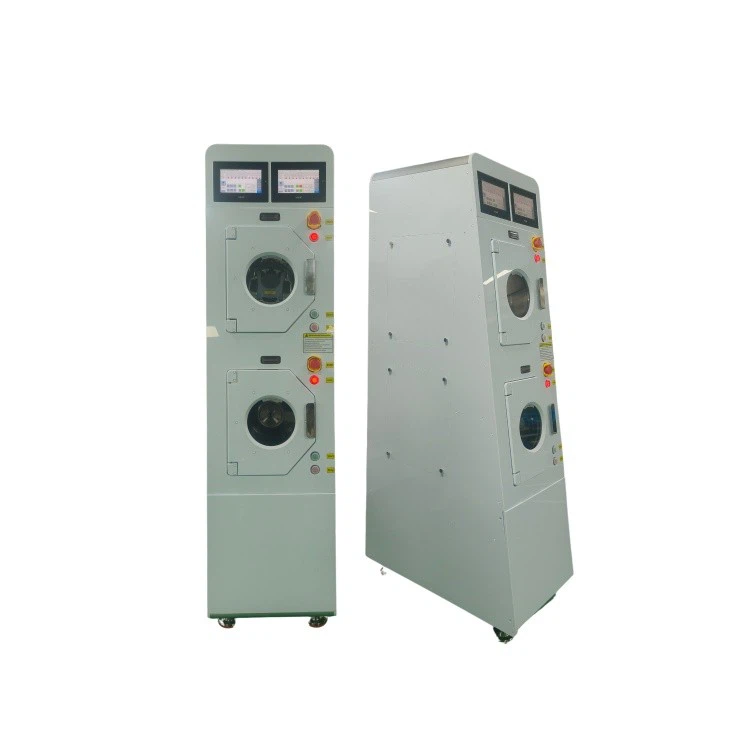
Multi - layer Vertical Wafer Dryers, on the other hand, are designed to dry multiple wafers simultaneously. They are commonly used in high - volume production environments.

High Throughput
The most significant advantage of multi - layer dryers is their high throughput. By drying multiple wafers at once, they can significantly increase the production rate. This is especially beneficial for large - scale semiconductor manufacturers who need to produce a large number of wafers in a short period.
Cost - Efficiency
Multi - layer dryers are also more cost - efficient in the long run. Since they can dry multiple wafers at the same time, the cost per wafer is reduced. This makes them a more economical option for mass production.
Space Saving
In addition to high throughput and cost - efficiency, multi - layer dryers are also space - saving. They can stack multiple wafers vertically, which reduces the footprint of the drying equipment. This is particularly important in manufacturing facilities where space is limited.
However, multi - layer dryers also face some challenges. Achieving uniform drying across all the wafers in a multi - layer stack can be more difficult. The wafers in the middle of the stack may not receive the same amount of heat or airflow as the ones on the top or bottom, which can lead to uneven drying.
Comparing Drying Performance
When it comes to drying performance, both single - layer and multi - layer Vertical Wafer Dryers have their strengths and weaknesses.
Drying Uniformity
As mentioned earlier, single - layer dryers offer better drying uniformity. Since there is only one wafer being dried at a time, it is easier to control the drying parameters and ensure that the entire wafer surface is dried evenly. In contrast, multi - layer dryers may struggle to achieve the same level of uniformity, especially in the middle of the stack.
Drying Time
Single - layer dryers are generally faster for small - batch production. However, for large - scale production, multi - layer dryers can complete the drying process more quickly due to their high throughput.
Energy Consumption
Single - layer dryers may consume less energy per wafer, as they only need to dry one wafer at a time. However, multi - layer dryers can be more energy - efficient overall, as they can dry multiple wafers simultaneously.
Choosing the Right Dryer for Your Needs
The choice between a single - layer and a multi - layer Vertical Wafer Dryer depends on several factors, including the production volume, the quality requirements, and the available space.
If you are a small - scale manufacturer or a research facility that needs to dry wafers of different sizes and types, a single - layer dryer may be the best option. It offers precision, flexibility, and faster drying for small batches.
On the other hand, if you are a large - scale semiconductor manufacturer with high production volumes, a multi - layer dryer is likely to be more suitable. It provides high throughput, cost - efficiency, and space - saving benefits.
Conclusion
In conclusion, both single - layer and multi - layer Vertical Wafer Dryers have their unique advantages and disadvantages. As a Vertical Wafer Dryer supplier, we understand the importance of choosing the right dryer for your specific needs. Whether you are looking for precision drying for high - quality wafers or high - volume production, we can provide you with the best solution.
If you are interested in learning more about our Vertical Wafer Dryers or need help in choosing the right dryer for your application, please feel free to contact us. We would be more than happy to assist you in your procurement process and ensure that you get the most suitable equipment for your business.
References
- Semiconductor Manufacturing Handbook
- Research papers on wafer drying technology
It should be noted that the above content is for reference only, and you can adjust the details according to the actual situation. Also, make sure the provided links are valid and relevant to your business.