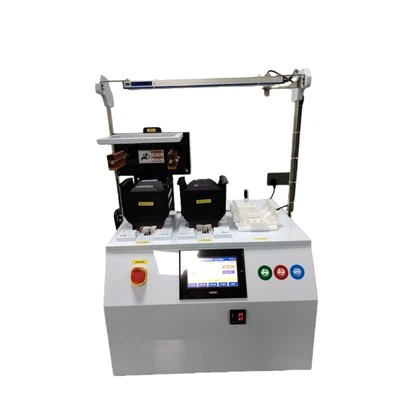
As a supplier of LPCVD (Low-Pressure Chemical Vapor Deposition) Equipment, I understand the critical importance of effective cleaning for these high - tech tools. LPCVD equipment is widely used in semiconductor manufacturing, thin - film coatings, and other advanced industries. Keeping it clean not only ensures its optimal performance but also extends its service life. In this blog, I'll share some practical strategies and best practices on how to clean LPCVD equipment effectively.
Understanding the Importance of Cleaning LPCVD Equipment
LPCVD equipment operates under low - pressure conditions to deposit thin films on substrates. During the deposition process, various chemical precursors are used, and over time, residues can accumulate on the internal components of the equipment. These residues can affect the quality of the deposited films, lead to process instability, and even cause equipment malfunctions. Therefore, regular and proper cleaning is essential to maintain the equipment's functionality and reliability.
Pre - Cleaning Preparations
Before starting the cleaning process, it's crucial to take several preparatory steps. First, ensure that the equipment is completely shut down and cooled to room temperature. This not only protects the cleaning personnel from potential burns but also prevents any damage to the equipment due to sudden temperature changes.
Next, gather all the necessary cleaning supplies. These may include specialized cleaning agents, soft brushes, lint - free cloths, and safety equipment such as gloves and goggles. It's important to use cleaning agents that are compatible with the materials of the equipment to avoid corrosion or other damage.
Cleaning the Chamber
The chamber is the core part of the LPCVD equipment where the deposition process takes place. To clean the chamber, start by removing any removable components such as gas injectors, substrates holders, and heating elements. These components can be cleaned separately in a dedicated cleaning solution.
For the chamber walls, use a soft brush to remove loose particles and debris. Then, apply a suitable cleaning agent to the walls and let it sit for a few minutes to dissolve the stubborn residues. After that, use a lint - free cloth to wipe the walls thoroughly. Rinse the chamber with deionized water to remove any remaining cleaning agent.
Cleaning the Gas Lines
Gas lines are responsible for delivering the chemical precursors to the chamber. Over time, these lines can become clogged with residues, which can affect the gas flow and the deposition process. To clean the gas lines, first, disconnect them from the equipment. Use a cleaning solution specifically designed for gas line cleaning to flush through the lines. You can use a syringe or a pump to ensure a thorough cleaning. After flushing, rinse the lines with deionized water and dry them completely before reconnecting.
Cleaning the Pump
The pump is an important part of the LPCVD equipment as it maintains the low - pressure environment inside the chamber. Regular cleaning of the pump is necessary to ensure its proper operation. Start by shutting down the pump and disconnecting it from the power supply. Remove the pump oil and filter, if applicable. Clean the pump housing with a suitable cleaning agent and a soft brush. Replace the oil and filter with new ones, following the manufacturer's instructions.
Post - Cleaning Checks
After cleaning all the components of the LPCVD equipment, it's important to perform a series of checks to ensure that everything is in working order. Reassemble the equipment carefully, making sure that all components are properly installed. Check the gas lines for any leaks using a leak detector. Run a test deposition to verify that the equipment is functioning correctly and that the quality of the deposited films meets the requirements.
Maintenance and Scheduling
To keep the LPCVD equipment in top condition, it's recommended to establish a regular cleaning and maintenance schedule. Depending on the frequency of use and the nature of the deposition process, cleaning can be scheduled on a weekly, monthly, or quarterly basis. Additionally, it's important to keep detailed records of all cleaning and maintenance activities, including the date, the cleaning agents used, and any issues encountered.
The Role of Advanced Cleaning Technologies
In recent years, advanced cleaning technologies have emerged to improve the efficiency and effectiveness of cleaning LPCVD equipment. For example, plasma cleaning can be used to remove organic residues from the chamber walls and other components. Plasma cleaning is a dry cleaning method that uses high - energy plasma to break down the residues into volatile compounds, which can be easily removed.


Another advanced technology is ultrasonic cleaning. Ultrasonic cleaners use high - frequency sound waves to create tiny bubbles in a cleaning solution. These bubbles implode near the surface of the components, removing dirt and residues. Ultrasonic cleaning is particularly effective for cleaning small and intricate components.
Conclusion
Effective cleaning of LPCVD equipment is a critical aspect of maintaining its performance and reliability. By following the steps and best practices outlined in this blog, you can ensure that your LPCVD equipment operates at its best. Regular cleaning not only improves the quality of the deposited films but also extends the service life of the equipment, saving you time and money in the long run.
If you are in the market for high - quality LPCVD Equipment, our company offers a wide range of products to meet your needs. We also provide comprehensive after-sales support, including cleaning and maintenance services. Additionally, we offer Industrial MOCVD System and GaN - MOCVD for more advanced applications.
If you are interested in learning more about our products or have any questions regarding LPCVD equipment cleaning, please feel free to contact us for a detailed discussion. We look forward to working with you to achieve your deposition goals.
References
- Semiconductor Equipment Cleaning Handbook
- Chemical Vapor Deposition Technology: Principles and Applications