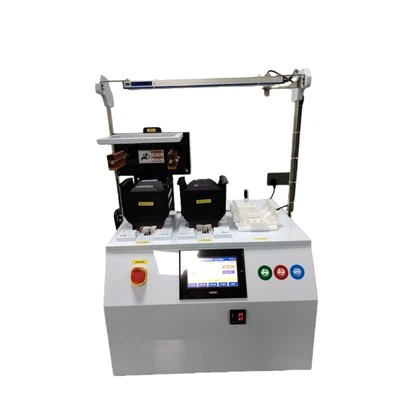
Adjusting the spray pressure of a wet etching machine is a critical process that can significantly impact the quality and efficiency of the etching operation. As a leading supplier of etching machines, we understand the importance of precise pressure control and are here to guide you through the process.
Understanding the Basics of Spray Pressure in Wet Etching
Spray pressure plays a pivotal role in wet etching. It determines the force with which the etching solution is applied to the substrate, affecting the etching rate, uniformity, and overall quality of the etched pattern. Too high a pressure can cause excessive etching, leading to damage to the substrate or uneven etching results. Conversely, too low a pressure may result in insufficient etching, leaving behind unwanted residues or incomplete patterns.
Factors Affecting Spray Pressure
Several factors can influence the spray pressure in a wet etching machine. These include the type of etching solution, the nozzle design, the flow rate of the solution, and the distance between the nozzle and the substrate. Understanding these factors is essential for achieving optimal spray pressure.
- Etching Solution: Different etching solutions have different viscosities and chemical properties, which can affect the spray pressure. For example, a more viscous solution may require higher pressure to achieve the same spray pattern as a less viscous solution.
- Nozzle Design: The design of the nozzle, including its size, shape, and spray angle, can have a significant impact on the spray pressure and pattern. Nozzles with smaller orifices generally require higher pressure to produce a fine spray, while larger orifices may require lower pressure.
- Flow Rate: The flow rate of the etching solution through the nozzle also affects the spray pressure. A higher flow rate typically requires higher pressure to maintain a consistent spray pattern.
- Distance from Nozzle to Substrate: The distance between the nozzle and the substrate can influence the spray pressure and the distribution of the etching solution. A shorter distance may result in a more concentrated spray, while a longer distance may lead to a more dispersed spray.
Steps to Adjust the Spray Pressure
Adjusting the spray pressure of a wet etching machine involves a series of steps to ensure accurate and consistent results. Here's a step-by-step guide:
- Understand the Machine's Specifications: Before making any adjustments, familiarize yourself with the manufacturer's specifications for the wet etching machine. This includes the recommended spray pressure range, nozzle types, and flow rates.
- Inspect the Nozzles: Check the nozzles for any clogs or damage. A clogged nozzle can disrupt the spray pattern and affect the pressure. Clean or replace the nozzles as needed.
- Set the Initial Pressure: Start by setting the spray pressure to the lowest recommended value. This allows you to gradually increase the pressure while monitoring the etching results.
- Monitor the Etching Process: Observe the etching process closely. Look for signs of over - etching or under - etching, such as uneven patterns or residues on the substrate.
- Adjust the Pressure: Based on your observations, gradually increase or decrease the spray pressure in small increments. Make sure to wait for a sufficient amount of time between adjustments to allow the etching process to stabilize.
- Test the Results: After each adjustment, test the etched substrate to evaluate the quality of the etching. Check for uniformity, accuracy, and the absence of defects.
- Fine - Tune the Pressure: Continue to fine - tune the spray pressure until you achieve the desired etching results. This may require multiple adjustments and tests.
Using Advanced Features for Pressure Control
Many of our etching machines, such as the Reverse Beam Shaping System, ICP Deep Si Etcher, and Hard Mask Etching System, are equipped with advanced features for precise pressure control. These features include:
- Pressure Sensors: Pressure sensors can monitor the spray pressure in real - time and provide feedback to the machine's control system. This allows for automatic adjustments to maintain a consistent pressure.
- Flow Control Valves: Flow control valves can regulate the flow rate of the etching solution, which in turn affects the spray pressure. By adjusting the flow rate, you can fine - tune the pressure to achieve the desired etching results.
- Automated Pressure Adjustment: Some machines offer automated pressure adjustment capabilities. These systems can adjust the spray pressure based on pre - set parameters or feedback from the etching process, ensuring consistent and accurate results.
Troubleshooting Spray Pressure Issues
If you encounter problems with the spray pressure, here are some common issues and solutions:
- Low Pressure: If the spray pressure is too low, check for clogged nozzles, a malfunctioning pump, or a leak in the system. Clean the nozzles, repair the pump, or fix the leak as necessary.
- High Pressure: High pressure can cause over - etching and damage to the substrate. Check for blockages in the system, incorrect nozzle settings, or a malfunctioning pressure regulator. Adjust the settings or replace the faulty components.
- Uneven Spray Pattern: An uneven spray pattern may indicate a problem with the nozzle or the pressure distribution. Check the nozzle for damage or clogging, and ensure that the pressure is evenly distributed across the substrate.
Importance of Regular Maintenance
Regular maintenance of the wet etching machine is crucial for maintaining optimal spray pressure. This includes cleaning the nozzles, checking the pressure sensors and valves, and lubricating the moving parts. By performing regular maintenance, you can prevent problems with the spray pressure and ensure the long - term performance of the machine.
Conclusion
Adjusting the spray pressure of a wet etching machine is a complex but essential process for achieving high - quality etching results. By understanding the factors that affect spray pressure, following the proper adjustment steps, and utilizing advanced features for pressure control, you can optimize the performance of your etching machine.
As a trusted etching machine supplier, we are committed to providing you with the best products and support. If you have any questions about adjusting the spray pressure of our etching machines or need assistance with your etching process, please feel free to contact us. We look forward to discussing your specific needs and helping you achieve the best possible results.


References
- Smith, J. (2018). Handbook of Wet Etching Processes. Publisher X.
- Johnson, A. (2020). Advanced Etching Techniques and Pressure Control. Journal of Microfabrication, 15(2), 123 - 135.
- Brown, C. (2019). Troubleshooting Guide for Etching Machines. Manufacturer Y.