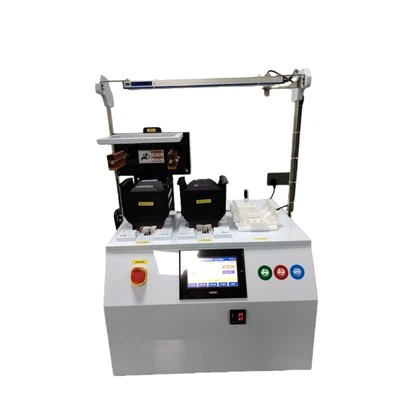
Hey there! As a supplier of Wet Oxidation Furnaces, I've seen firsthand how corrosion can be a real pain in the neck for these machines. Corrosion not only shortens the lifespan of the furnace but also affects its performance and can lead to costly repairs. In this blog, I'm gonna share some tips on how to prevent corrosion in a wet oxidation furnace.
Understanding the Causes of Corrosion in Wet Oxidation Furnaces
Before we dive into the prevention methods, it's important to understand what causes corrosion in wet oxidation furnaces. There are a few key factors:
1. Moisture
As the name suggests, wet oxidation furnaces operate in a wet environment. Moisture is a major culprit when it comes to corrosion. When water comes into contact with metal surfaces, it can cause rusting and other forms of corrosion over time.
2. Chemicals
Wet oxidation processes often involve the use of various chemicals. These chemicals can be highly corrosive, especially if they are not properly managed. For example, acids and alkalis can eat away at the metal components of the furnace.
3. Temperature
High temperatures in the furnace can accelerate the corrosion process. The combination of heat, moisture, and chemicals creates an ideal environment for corrosion to occur.
Prevention Methods
1. Material Selection
One of the first steps in preventing corrosion is to choose the right materials for the furnace. Stainless steel is a popular choice because it is resistant to corrosion. However, not all stainless steels are created equal. You need to select a grade of stainless steel that is suitable for the specific operating conditions of your wet oxidation furnace. For example, if your furnace is exposed to highly acidic chemicals, you might need a more corrosion-resistant grade like 316L stainless steel.
2. Coating and Linings
Applying a protective coating or lining to the interior of the furnace can help prevent corrosion. There are several types of coatings available, such as ceramic coatings and epoxy coatings. These coatings act as a barrier between the metal surface and the corrosive environment. Make sure to choose a coating that is compatible with the chemicals used in your wet oxidation process.
3. Proper Ventilation
Good ventilation is crucial in a wet oxidation furnace. It helps to remove moisture and corrosive gases from the furnace, reducing the risk of corrosion. Install a ventilation system that can effectively remove the fumes and moisture generated during the process. You can also use air purifiers to further clean the air inside the furnace.
4. Regular Maintenance
Regular maintenance is essential for preventing corrosion. This includes cleaning the furnace regularly to remove any chemical residues or debris that could cause corrosion. Inspect the furnace for signs of corrosion, such as rust spots or pitting, on a regular basis. If you notice any signs of corrosion, take immediate action to repair or replace the affected components.
5. Chemical Management
Proper chemical management is key to preventing corrosion. Make sure to handle and store chemicals properly. Follow the manufacturer's instructions for using and disposing of chemicals. Avoid overexposure of the furnace to corrosive chemicals by using the right concentrations and flow rates.
6. Temperature Control
Maintaining the right temperature in the furnace is important for preventing corrosion. Use a temperature control system to keep the temperature within the recommended range. Avoid sudden temperature changes, as they can cause thermal stress and increase the risk of corrosion.


Our Wet Oxidation Furnaces and Related Equipment
At our company, we offer a range of high - quality wet oxidation furnaces that are designed to resist corrosion. We also provide Semi - Automatic RTP Equipment, Automatic RTP Equipment, and Oxidation and Diffusion RTP Equipment that are built with corrosion prevention in mind. Our equipment is made from the best materials and is equipped with the latest technologies to ensure long - term performance.
Conclusion
Corrosion in a wet oxidation furnace can be a serious problem, but it can be prevented with the right strategies. By choosing the right materials, applying protective coatings, ensuring proper ventilation, performing regular maintenance, managing chemicals, and controlling the temperature, you can significantly reduce the risk of corrosion. If you're in the market for a wet oxidation furnace or related equipment, don't hesitate to reach out to us. We're here to help you find the best solutions for your needs and ensure that your equipment operates smoothly for years to come. Whether you have questions about our products or need advice on corrosion prevention, we're just a message away.
References
- "Corrosion Prevention in Industrial Furnaces" - A technical guide on industrial furnace corrosion prevention.
- "Materials Science for High - Temperature Applications" - A book that discusses the properties of materials used in high - temperature environments.