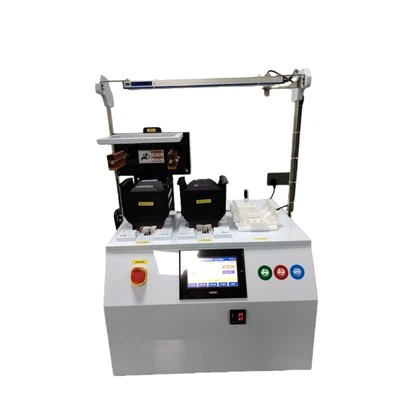
As a PVD equipment supplier, I often get asked about the heat dissipation requirements for our gear. PVD, or Physical Vapor Deposition, is a process that involves depositing thin films onto various substrates. This process generates a fair amount of heat, and proper heat dissipation is crucial to ensure the equipment's optimal performance and longevity.
Why Heat Dissipation Matters in PVD Equipment
Let's first understand why heat dissipation is such a big deal. When PVD equipment is in operation, it generates heat from multiple sources. For instance, the power supplies used in systems like the Magnetron Sputtering System and Ion Beam Deposition System can get pretty hot. The high - energy processes involved in PVD, such as sputtering and evaporation, also produce a significant amount of heat.
If this heat isn't properly managed, it can lead to several problems. Overheating can cause components to expand, which may result in misalignments and reduced precision in the deposition process. It can also degrade the performance of electronic components, leading to malfunctions and a shorter lifespan for the equipment. In extreme cases, overheating can even cause permanent damage to the PVD system.
Factors Affecting Heat Dissipation
There are several factors that influence the heat dissipation requirements of PVD equipment.
Power Consumption
The power consumption of the PVD equipment is a major factor. Higher - power systems, like the Dual - Chamber Magnetron Sputtering System, generally generate more heat. The more power a system uses, the more energy is converted into heat during operation. So, systems with high - power components, such as powerful magnetrons or ion sources, will require more effective heat dissipation methods.
Process Duration
The length of time the PVD process runs also affects heat generation. Longer processes mean that heat has more time to build up in the equipment. If you're running continuous or long - cycle PVD operations, you'll need a heat dissipation system that can handle the sustained heat load.
Ambient Temperature
The temperature of the environment where the PVD equipment is located plays a role too. If the ambient temperature is high, it becomes more difficult for the equipment to dissipate heat. In hot climates or poorly ventilated rooms, the equipment may need more robust cooling solutions to maintain a safe operating temperature.
Heat Dissipation Methods
Now, let's talk about the different ways we can dissipate heat in PVD equipment.
Air Cooling
Air cooling is one of the simplest and most common methods. It involves using fans to blow air over the hot components. The moving air absorbs the heat and carries it away. Air cooling is relatively inexpensive and easy to implement. However, it has its limitations. It may not be sufficient for high - power PVD systems or in environments with high ambient temperatures.


Water Cooling
Water cooling is a more efficient method for dissipating heat. It uses water as a coolant to absorb the heat from the equipment. Water has a high heat capacity, which means it can absorb a large amount of heat without a significant increase in temperature. Water - cooled systems typically have a heat exchanger that transfers the heat from the equipment to the water, and then the heated water is cooled in a separate unit. This method is more effective than air cooling, especially for high - power PVD systems.
Refrigeration Cooling
For extremely high - heat applications, refrigeration cooling may be necessary. This method uses a refrigeration cycle to cool the equipment. It can achieve very low temperatures and is suitable for systems that generate a large amount of heat, such as some advanced PVD systems used in research and high - end manufacturing.
Design Considerations for Heat Dissipation
When designing PVD equipment, we need to take heat dissipation into account from the start. The layout of the components can have a big impact on how effectively heat is dissipated. For example, components that generate a lot of heat should be placed in areas with good airflow or near cooling channels.
We also need to ensure that the cooling system is properly sized for the equipment. An undersized cooling system won't be able to handle the heat load, while an oversized system can be wasteful and expensive.
Monitoring and Maintenance
Once the PVD equipment is up and running, it's important to monitor the temperature regularly. We can use temperature sensors to keep track of the temperature of critical components. If the temperature starts to rise above the safe operating range, it could be a sign of a problem with the heat dissipation system.
Regular maintenance of the cooling system is also crucial. This includes cleaning the air filters in air - cooled systems, checking for leaks in water - cooled systems, and ensuring that the refrigeration units in refrigeration - cooled systems are functioning properly.
Conclusion
In conclusion, proper heat dissipation is essential for the reliable and efficient operation of PVD equipment. As a PVD equipment supplier, we understand the importance of designing and providing systems with effective heat dissipation solutions. Whether you're looking for a Magnetron Sputtering System, an Ion Beam Deposition System, or a Dual - Chamber Magnetron Sputtering System, we can offer you equipment with the right heat dissipation capabilities.
If you're in the market for PVD equipment and have questions about heat dissipation or any other aspect of our products, don't hesitate to reach out. We're here to help you find the best solution for your needs. Let's have a chat about how we can meet your PVD requirements!
References
- "Physical Vapor Deposition: Principles and Applications" by David M. Mattox
- Various technical documents from PVD equipment manufacturers and research institutions.