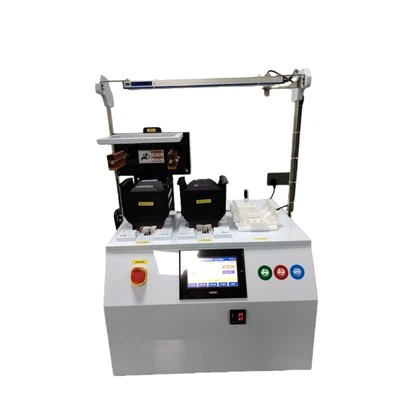
As a PVD equipment supplier, I've had my fair share of experiences with the ins and outs of this technology. PVD, or Physical Vapor Deposition, is a widely used process for depositing thin films on various substrates. It's super useful in a bunch of industries, like electronics, automotive, and even jewelry. But let's be real, no technology is perfect, and PVD equipment has its limitations.
High Initial Investment
One of the biggest drawbacks of PVD equipment is the high initial cost. Setting up a PVD system isn't cheap. You're looking at a significant investment in the equipment itself, which includes things like vacuum chambers, power supplies, and sputtering targets. For small businesses or startups, this can be a real barrier to entry. The cost of a basic Magnetron Sputtering System can run into tens of thousands of dollars, and more advanced systems can cost even more.
Not only do you have to pay for the equipment, but there are also installation and setup costs. You need to have a proper facility to house the equipment, with the right electrical and ventilation systems. And let's not forget about the training for your staff. They need to know how to operate the equipment safely and effectively, which also adds to the overall cost.
Limited Substrate Size
Another limitation of PVD equipment is the limited substrate size that can be processed. Most PVD systems are designed to handle substrates of a certain size range. If you need to coat larger substrates, you might run into problems. The size of the vacuum chamber and the sputtering sources restricts the maximum size of the substrate that can be accommodated.
For example, if you're in the glass industry and you want to coat large glass panels, you might find that the standard PVD equipment isn't suitable. You may need to invest in a custom - built system, which is even more expensive. This limitation can be a real pain for industries that require large - scale coating applications.
Complexity of Operation
PVD equipment is pretty complex to operate. It involves a lot of technical knowledge and skills. You need to understand things like vacuum technology, plasma physics, and material science. Even small changes in the operating parameters can have a big impact on the quality of the deposited film.
For instance, the pressure inside the vacuum chamber, the power applied to the sputtering targets, and the gas flow rates all need to be carefully controlled. If any of these parameters are off, it can lead to issues like poor adhesion, uneven coating thickness, or the formation of defects in the film. This complexity means that you need highly trained operators, which can be difficult to find and expensive to hire.
Slow Deposition Rates
Deposition rates in PVD can be relatively slow, especially when compared to some other coating methods. The time it takes to deposit a thin film of a certain thickness can be quite long. This is a problem if you have high - volume production requirements.


For example, in the automotive industry, where large numbers of parts need to be coated quickly, the slow deposition rate of PVD equipment can be a bottleneck. You may need to invest in multiple systems to increase the production capacity, which again adds to the cost.
Limited Material Compatibility
PVD equipment has limitations when it comes to the types of materials that can be used. Not all materials can be easily sputtered or evaporated in a PVD system. Some materials may have high melting points or low vapor pressures, which make them difficult to process.
For example, certain ceramics or refractory metals can be challenging to deposit using PVD. You may need to use special techniques or equipment to deposit these materials, which can be costly and complex. This limitation restricts the range of applications for PVD equipment.
Maintenance and Downtime
PVD equipment requires regular maintenance to keep it running smoothly. The vacuum pumps, sputtering targets, and other components need to be cleaned and replaced periodically. This maintenance can be time - consuming and expensive.
When the equipment is being maintained, it's out of operation, which means downtime for your production. Downtime can be a major problem, especially if you have tight production schedules. You need to plan for maintenance in advance and have backup systems in place to minimize the impact on your production.
Environmental Considerations
PVD processes often involve the use of gases and chemicals, which can have environmental implications. Some of the gases used, such as argon and nitrogen, are relatively inert, but others may be more hazardous. The disposal of used sputtering targets and other waste materials also needs to be carefully managed.
In addition, the energy consumption of PVD equipment can be quite high. The vacuum pumps and power supplies require a lot of electricity to operate. This not only increases your operating costs but also has an impact on the environment.
Despite these limitations, PVD equipment still offers many benefits. It can produce high - quality, thin films with excellent adhesion and uniformity. And at our company, we're constantly working on improving our equipment to overcome these limitations.
If you're in the market for PVD equipment and want to learn more about how we can help you overcome these challenges, don't hesitate to reach out. We can discuss your specific needs and find the best solution for your business. Whether you're looking for a Carbon Magnetron Sputtering System or a Dual - Chamber Magnetron Sputtering System, we've got you covered.
References
- Smith, J. (2020). Physical Vapor Deposition: Principles and Applications. Elsevier.
- Jones, A. (2019). Advanced Coating Technologies for Industrial Applications. Springer.
- Brown, R. (2018). Vacuum Technology and Thin Film Deposition. Wiley.