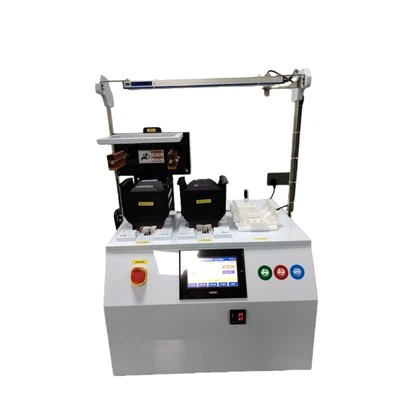
In the realm of physical vapor deposition (PVD) technology, the cathode plays a pivotal and multi - faceted role. As a reputable PVD equipment supplier, we have witnessed firsthand the significance of the cathode in the overall performance and functionality of PVD systems. This blog post aims to delve deep into the role of the cathode in PVD equipment, exploring its functions, types, and the impact it has on the deposition process.
Basic Understanding of PVD and the Cathode
PVD is a process in which a solid material is vaporized in a vacuum environment and then deposited onto a substrate to form a thin film. This technique is widely used in various industries, including semiconductor, optical, and automotive, to enhance the surface properties of materials such as hardness, wear resistance, and corrosion resistance.
The cathode is a key component in PVD equipment. It is the source of the material that will be deposited onto the substrate. In a PVD system, the cathode is negatively charged, and it interacts with the positively charged ions in the plasma environment. This interaction is the driving force behind the material vaporization and subsequent deposition.
Functions of the Cathode in PVD
Material Source
The primary function of the cathode is to serve as the source of the material for deposition. The cathode is typically made of the material that is desired to be coated on the substrate. For example, if we want to deposit a titanium nitride (TiN) coating, the cathode can be made of titanium. When the PVD process is initiated, the cathode material is vaporized, and the vaporized atoms or molecules are then transported to the substrate to form a thin film.
Plasma Generation
The cathode also plays a crucial role in plasma generation. In PVD systems, a plasma is created by ionizing a gas (usually an inert gas like argon) in the vacuum chamber. The negatively charged cathode attracts the positively charged ions in the plasma. When these ions collide with the cathode surface, they transfer energy to the cathode material. This energy causes the cathode material to be sputtered or evaporated, depending on the type of PVD process.
Controlling the Deposition Rate
The cathode can be used to control the deposition rate of the thin film. By adjusting the power applied to the cathode, we can control the amount of material that is vaporized and deposited onto the substrate. Higher power generally leads to a higher deposition rate, but it also needs to be carefully balanced to ensure the quality of the deposited film.
Types of Cathodes in PVD Equipment
Sputtering Cathodes
Sputtering is a common PVD process, and sputtering cathodes are widely used. In a sputtering process, high - energy ions from the plasma bombard the cathode surface. These ions knock out atoms from the cathode material, which then travel through the vacuum chamber and deposit onto the substrate. Magnetron Sputtering System is a type of sputtering equipment that uses a magnetic field to enhance the sputtering process. The magnetron sputtering cathode is designed to create a high - density plasma near the cathode surface, which increases the sputtering efficiency and the deposition rate.
Evaporation Cathodes
Evaporation is another PVD process, and evaporation cathodes are used in this process. There are different types of evaporation methods, such as resistive evaporation and electron - beam evaporation. In electron - beam evaporation, an electron beam is focused on the cathode material. The high - energy electrons transfer their energy to the cathode material, causing it to evaporate. Electron Beam Evaporator is a specialized PVD equipment that uses this principle. The cathode in an electron - beam evaporator is usually a crucible containing the material to be evaporated.
Ion Beam Deposition Cathodes
In ion beam deposition, the cathode is used to generate an ion beam. The ion beam is then directed towards the substrate, and the material from the cathode is deposited onto the substrate. Ion Beam Deposition System is designed to precisely control the ion beam and the deposition process. The cathode in an ion beam deposition system is carefully engineered to produce a stable and well - focused ion beam.
Impact of the Cathode on the Deposited Film
Film Composition
The composition of the cathode material directly affects the composition of the deposited film. If the cathode is made of a pure material, the deposited film will have a similar composition. However, in some cases, alloy cathodes can be used to deposit films with specific compositions. For example, a cathode made of a titanium - aluminum alloy can be used to deposit a TiAlN film, which has excellent hardness and oxidation resistance.
Film Structure
The cathode also has an impact on the structure of the deposited film. The energy and direction of the atoms or molecules ejected from the cathode can influence the growth mode of the film. For example, in sputtering processes, the angle of incidence of the sputtered atoms on the substrate can affect the film's texture and density. By controlling the cathode properties and the deposition parameters, we can achieve different film structures, such as columnar, amorphous, or nanocrystalline structures.
Film Quality
The quality of the cathode material and the way it is used in the PVD process can significantly affect the quality of the deposited film. A high - purity cathode material can reduce the impurities in the deposited film, improving its performance. Additionally, proper control of the cathode power and the plasma environment can ensure a uniform and smooth film surface, which is crucial for many applications.
Considerations for Cathode Selection in PVD Equipment
Material Compatibility
When selecting a cathode for PVD equipment, it is essential to consider the compatibility between the cathode material and the substrate material. The cathode material should not react with the substrate in an undesirable way during the deposition process. For example, if the substrate is made of a polymer material, the cathode material should not cause degradation of the polymer.
Deposition Requirements
The deposition requirements, such as the desired film thickness, deposition rate, and film quality, also play a crucial role in cathode selection. Different cathodes have different deposition characteristics. For high - rate deposition, a cathode with high sputtering or evaporation efficiency may be preferred. For applications requiring high - quality films, a cathode made of high - purity material may be necessary.
Cost and Availability
Cost and availability are also important factors in cathode selection. Some cathode materials may be expensive or difficult to obtain. As a PVD equipment supplier, we work closely with our customers to find the most cost - effective cathode solutions that meet their specific requirements.
Conclusion
In conclusion, the cathode is a fundamental component in PVD equipment, playing a vital role in material vaporization, plasma generation, and film deposition. Different types of cathodes, such as sputtering cathodes, evaporation cathodes, and ion beam deposition cathodes, are used in various PVD processes. The cathode has a significant impact on the composition, structure, and quality of the deposited film. When selecting a cathode, factors such as material compatibility, deposition requirements, cost, and availability need to be carefully considered.
If you are interested in learning more about PVD equipment and the role of cathodes in the deposition process, or if you are looking to purchase PVD equipment for your specific application, we invite you to contact us for a detailed discussion. Our team of experts is ready to provide you with professional advice and solutions tailored to your needs.


References
- "Physical Vapor Deposition of Thin Films" by J. A. Thornton
- "Handbook of Thin Film Technology" edited by D. A. Glocker and S. I. Shah