


If you're in high-end manufacturing-think semiconductors, new energy, or aerospace-you've probably heard of laser sealing welding machines. They're not just another tool; they're the ones that pull off precise joins with minimal heat mess and airtight seals. But picking the right one? It's easy to get overwhelmed by specs. Let's break this down like we're chatting over a workbench-no jargon overload, just what you actually need to know.
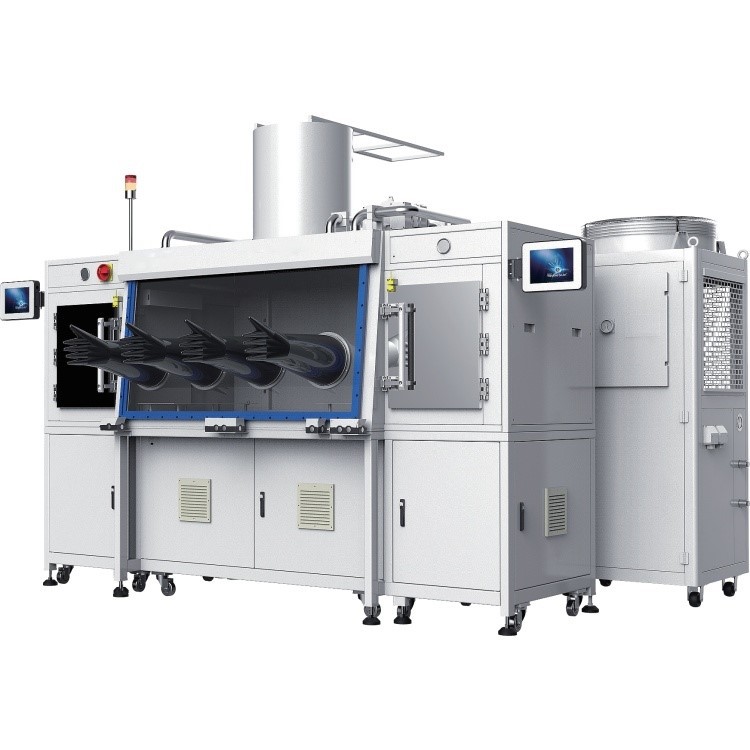
I. What to Prioritize When Buying
Let's be real: not all specs matter equally. Here's what I've found makes or breaks a purchase, based on seeing these machines in action:
1. Parameters that actually count: Don't get stuck on "max power" if you're not welding thick metal. A dual-mode laser (pulsed and continuous wave) with 10–500W adjustability covers most jobs-pulsed is great for no-spatter work, continuous wave for heavy-duty stuff. Positioning accuracy? You need ≤±5μm (thanks to the CCD system) if you're dealing with tiny parts. And airtightness? Aim for ≤1×10⁻⁹ Pa·m³/s-this keeps moisture and gunk out, which is non-negotiable for chips or batteries. Weld strength should hit at least 90% of the base material, too-weak joints mean failed products.
2. Does it fit your workflow?: I've seen companies buy machines that can't handle their parts, and it's a nightmare. This one works for parts as small as φ1mm (perfect for micro-sensors) up to 300mm×300mm-so check your workpiece sizes first. Materials matter, too: it welds steel, aluminum, titanium, ceramics, glass, and even mixed combos like metal-ceramic. Pro tip: If you switch between jobs often, go for one with swappable laser heads (planar, annular, point-focus)-saves you from buying extra equipment.
3. Smart features that aren't just buzzwords: Infrared temp monitoring with closed-loop control? Actually useful-stops parts from warping, which I've seen ruin batches before. Data storage and image traceability? Yeah, it's a hassle to set up at first, but if your industry requires ISO compliance, you'll be glad you have it. And being able to switch modes or load saved parameters fast? A lifesaver for labs doing small-batch R&D and factories cranking out mass production runs.
II. Where This Machine Actually Shines (Real-World Uses)
I've seen this tool pop up in more industries than I expected-here are the spots where it truly makes a difference:
1. Semiconductors: Sealing chips, ICs, and RF pins. That ≤±5μm precision is a must here-one wrong weld and a whole chip is useless. The airtight seal? Keeps humidity out of sensitive circuits, which is why so many electronics manufacturers swear by it.
2. Optoelectronics: Welding glass to metal for optical modules or LD/LEDs. I've tested these welds before-they're airtight enough to cut down on signal loss, which is huge for communication gear. No more finicky joins that degrade over time.
3. New Energy: Battery production, especially solid-state batteries. The pulse mode welds battery poles without spatter-no extra debris gumming up the works. And the strong seal? Boosts battery safety and how long they last-critical for EVs and storage systems.
4. MEMS & Sensors: Miniature sensors (like MEMS devices) need gentle but precise welding. The annular laser seal keeps deformation low-I've seen it used for medical sensors where even a tiny warp throws off readings. Perfect for industrial controls, too.
5. Aerospace: Titanium alloy parts. These have to withstand extreme heat and pressure, and the welds here are stronger than 90% of the base material. I've heard aerospace techs say it's the only machine that handles φ1mm components without issues.
III. Who This Is For (Spoiler: Not Every Business)
This isn't a "one-size-fits-all" tool-here's who actually benefits from it:
1. Semiconductor & Electronic Makers: If you're churning out chips or electronic components, you need consistent, airtight packaging. This machine delivers that, no guesswork.
2. Optoelectronics & Communication Companies: Glass-metal welding is tricky, but this tool nails it. Great for optical module manufacturers or LED producers who can't afford signal loss.
3. New Energy Battery Firms: Solid-state battery makers and EV battery pack producers-spatter-free welds and strong seals are non-negotiable here. It's saved a few clients from costly production delays.
4. Aerospace & Precision Gear Manufacturers: Welding titanium alloy or tiny components? This machine handles the tough stuff without compromising quality. I've recommended it to several aerospace suppliers.
5. Labs & Research Teams: Universities and R&D centers love the flexible parameters-you can tweak settings for small-batch tests and track data easily. It's not just for big factories.
At the end of the day, picking the right laser sealing welding machine isn't about checking every box on a spec sheet. It's about matching it to your parts, your materials, and how you work. I've seen companies waste money on overpriced machines with features they never use, and others settle for cheaper ones that can't keep up. This tool's sweet spot is high precision, adaptability, and reliability-if that's what you need, it's worth the investment. Just don't forget to test it with your actual workpieces first, if you can-nothing beats seeing it perform on your own parts.


