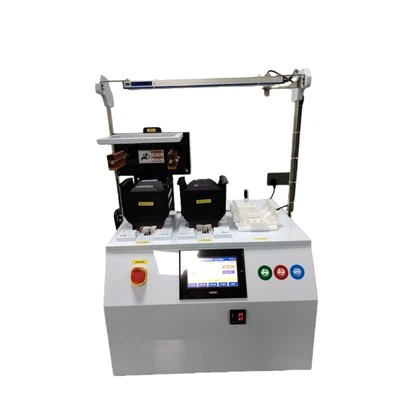
Hey there! As a supplier of Horizontal Wafer Dryers, I've seen firsthand how crucial it is to understand the factors that influence the drying process. One of the most significant factors that often gets overlooked is the humidity level. In this blog post, I'll break down how humidity can impact the drying process in a Horizontal Wafer Dryer and why it matters for your operations.


Understanding the Basics of a Horizontal Wafer Dryer
Before we dive into the role of humidity, let's quickly go over what a Horizontal Wafer Dryer does. A Horizontal Wafer Dryer is a specialized piece of equipment used in the semiconductor industry to dry silicon wafers after they've been cleaned. The wafers are placed horizontally in the dryer, and a combination of spinning and airflow is used to remove any remaining moisture.
The goal of the drying process is to leave the wafers completely dry and free of any contaminants. This is essential for ensuring the quality and performance of the semiconductors that are made from these wafers. But achieving this goal isn't always straightforward, especially when humidity comes into play.
How Humidity Affects the Drying Process
Humidity refers to the amount of water vapor present in the air. When the humidity level is high, the air is already saturated with water vapor, which makes it more difficult for the moisture on the wafers to evaporate. Here's a more detailed look at how high and low humidity levels can impact the drying process:
High Humidity
- Slower Evaporation: As I mentioned earlier, high humidity means there's less room in the air for additional water vapor. When the wafers are placed in the dryer, the water on their surface tries to evaporate into the air. But if the air is already full of moisture, this process slows down significantly. This means that it takes longer for the wafers to dry, which can reduce the overall throughput of your production line.
- Risk of Residual Moisture: If the drying process is prolonged due to high humidity, there's a greater risk of residual moisture remaining on the wafers. This can lead to issues such as corrosion, oxidation, and contamination, which can ultimately affect the quality of the semiconductors.
- Increased Energy Consumption: To compensate for the slower evaporation rate, the dryer may need to run for a longer time or at a higher power setting. This can result in increased energy consumption, which not only drives up your operating costs but also has a negative impact on the environment.
Low Humidity
- Faster Evaporation: On the other hand, low humidity levels create an ideal environment for evaporation. When the air is dry, there's plenty of room for the water vapor from the wafers to be absorbed. This allows the drying process to occur more quickly, which can improve the efficiency of your production line.
- Reduced Risk of Residual Moisture: With faster evaporation, there's less chance of residual moisture remaining on the wafers. This helps to ensure the quality and reliability of the semiconductors.
- Lower Energy Consumption: Since the drying process is faster, the dryer doesn't need to run for as long or at as high a power setting. This can result in significant energy savings, which can have a positive impact on your bottom line.
Controlling Humidity in the Drying Environment
Given the impact of humidity on the drying process, it's important to take steps to control the humidity level in the drying environment. Here are some strategies that you can implement:
Use a Dehumidifier
A dehumidifier is a device that removes moisture from the air. By installing a dehumidifier in the drying room, you can maintain a low and consistent humidity level, which will help to ensure optimal drying performance. Make sure to choose a dehumidifier that is capable of handling the size of your drying room and the specific humidity requirements of your process.
Seal the Drying Room
Leaking air can introduce moisture into the drying room, which can disrupt the humidity control. To prevent this, make sure to seal any gaps or cracks in the walls, floors, and ceilings of the drying room. You can also use weatherstripping around doors and windows to create a tight seal.
Monitor the Humidity Level
Regularly monitoring the humidity level in the drying room is essential for ensuring that it stays within the desired range. You can use a hygrometer to measure the humidity level and adjust the settings of your dehumidifier as needed. Some advanced dryers also come with built-in humidity sensors that can automatically adjust the drying process based on the humidity level.
Comparing Horizontal Wafer Dryers with Vertical Wafer Dryers
While we're on the topic of wafer dryers, it's worth mentioning the difference between Horizontal Wafer Dryers and Vertical Wafer Dryers. Both types of dryers are used for the same purpose, but they have some distinct advantages and disadvantages when it comes to humidity control and the drying process.
Horizontal Wafer Dryers
- Better Humidity Control: Horizontal Wafer Dryers typically have a more enclosed design, which makes it easier to control the humidity level inside the dryer. This can be especially beneficial in environments with high humidity or where precise humidity control is required.
- Gentle Drying Process: The horizontal orientation of the wafers in these dryers allows for a more gentle drying process, which can help to prevent damage to the wafers. This is particularly important for delicate or thin wafers.
- Higher Throughput: Horizontal Wafer Dryers are often designed to handle a larger number of wafers at once, which can result in higher throughput and increased productivity.
Vertical Wafer Dryers
- Space-Saving Design: Vertical Wafer Dryers have a more compact design, which makes them a good choice for facilities with limited space.
- Faster Drying for Some Applications: In some cases, the vertical orientation of the wafers can allow for faster drying, especially for wafers with a large surface area.
- Easier Loading and Unloading: Vertical Wafer Dryers typically have a more accessible loading and unloading mechanism, which can make them easier to operate.
Conclusion
In conclusion, the humidity level plays a crucial role in the drying process of a Horizontal Wafer Dryer. High humidity can slow down the evaporation rate, increase the risk of residual moisture, and lead to higher energy consumption. On the other hand, low humidity can improve the drying efficiency, reduce the risk of quality issues, and save energy.
By understanding how humidity affects the drying process and implementing strategies to control it, you can ensure that your Horizontal Wafer Dryer operates at its best and delivers high-quality results. If you're in the market for a new wafer dryer or need help optimizing your existing drying process, don't hesitate to reach out. We're here to help you find the right solution for your needs and ensure the success of your semiconductor manufacturing operations.
References
- Smith, J. (2020). Semiconductor Manufacturing Technology. Wiley.
- Jones, A. (2019). Humidity Control in Industrial Processes. Elsevier.