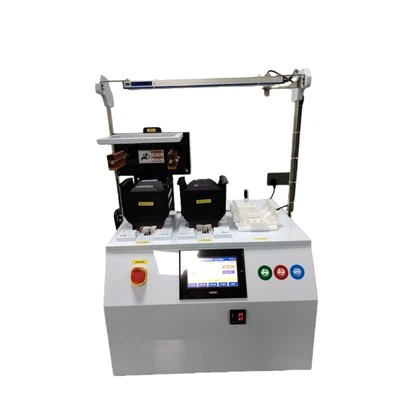
Wet oxidation furnaces are essential pieces of equipment in various industrial and research applications, particularly in the semiconductor manufacturing, materials science, and environmental treatment sectors. As a supplier of Wet Oxidation Furnaces, I am often asked about the specific functions of each component in these complex systems. In this blog post, I will delve into the details of the key components of a wet oxidation furnace and explain their roles in the overall process.
Furnace Chamber
The furnace chamber is the heart of the wet oxidation furnace. It is a sealed environment where the oxidation process takes place. Typically made of high - temperature resistant materials such as quartz or ceramic, the chamber can withstand the extreme temperatures required for wet oxidation, which usually range from several hundred to over a thousand degrees Celsius.
The primary function of the furnace chamber is to provide a controlled space for the reaction. It isolates the sample being oxidized from the external environment, preventing contamination and ensuring that the oxidation process occurs under consistent conditions. The chamber also helps to maintain the temperature uniformity throughout the oxidation process, which is crucial for achieving consistent and high - quality oxidation results. For example, in semiconductor manufacturing, uniform oxidation is necessary to ensure the proper functioning of electronic components.
Heating Elements
Heating elements are responsible for raising the temperature inside the furnace chamber to the desired level for wet oxidation. Common types of heating elements used in wet oxidation furnaces include resistance heating elements, such as tungsten or molybdenum wires. These elements work by passing an electric current through them, which generates heat due to the resistance of the material.
The heating elements need to be carefully designed and positioned to ensure even heat distribution within the chamber. This is achieved through a combination of proper element layout and the use of insulation materials to minimize heat loss. Precise temperature control is also essential, and modern wet oxidation furnaces are equipped with advanced temperature sensors and controllers. These sensors continuously monitor the temperature inside the chamber and adjust the power supplied to the heating elements to maintain a stable temperature within a narrow tolerance range.
Gas Supply System
The gas supply system plays a vital role in the wet oxidation process. It is responsible for delivering the necessary gases, including oxygen and steam, into the furnace chamber. Oxygen is the primary oxidizing agent in the wet oxidation process, while steam can enhance the oxidation rate and improve the quality of the oxide layer formed on the sample.
The gas supply system typically consists of gas cylinders, regulators, valves, and flow meters. The regulators are used to control the pressure of the gases, ensuring that they are delivered at a stable and appropriate pressure. The valves allow for precise control of the gas flow, and the flow meters measure the amount of gas being delivered into the chamber. For example, in a semiconductor wet oxidation process, the flow rate of oxygen and steam needs to be carefully adjusted to achieve the desired thickness and quality of the oxide layer.
Steam Generator
The steam generator is a critical component in a wet oxidation furnace, especially when steam is required for the oxidation process. It produces high - purity steam that is then introduced into the furnace chamber. The steam generator usually consists of a water reservoir, a heating element, and a control system.
The water in the reservoir is heated by the heating element to produce steam. The control system ensures that the steam is generated at a consistent rate and temperature. High - purity water is used in the steam generator to prevent the introduction of impurities into the furnace chamber, which could contaminate the sample being oxidized. In some applications, such as the production of high - quality semiconductor devices, the purity of the steam is of utmost importance.

Exhaust System
The exhaust system is responsible for removing the waste gases and by - products generated during the wet oxidation process from the furnace chamber. These waste gases may include unreacted oxygen, steam, and other gaseous products of the oxidation reaction.
The exhaust system typically consists of a duct, a fan, and a filter. The fan creates a negative pressure inside the duct, which draws the waste gases out of the chamber. The filter is used to remove any particulate matter or harmful substances from the exhaust gases before they are released into the environment. This is important for environmental protection and to ensure the safety of the operators working in the vicinity of the furnace.
Control System
The control system is the brain of the wet oxidation furnace. It integrates and manages all the other components of the furnace to ensure that the oxidation process is carried out accurately and efficiently. The control system typically includes a programmable logic controller (PLC) or a computer - based control unit.
The control system allows operators to set and adjust various parameters of the oxidation process, such as temperature, gas flow rates, and process time. It also monitors the status of the furnace components in real - time and can detect and respond to any malfunctions or abnormal conditions. For example, if the temperature inside the chamber exceeds the set limit, the control system can automatically shut down the heating elements to prevent damage to the furnace and the sample.
Sample Holder
The sample holder is used to hold the sample being oxidized inside the furnace chamber. It needs to be made of a material that is resistant to high temperatures and chemical corrosion. Common materials for sample holders include quartz, ceramic, and graphite.
The design of the sample holder is crucial for ensuring proper heat transfer and gas flow around the sample. It should be able to hold the sample securely in place during the oxidation process, preventing any movement that could affect the oxidation results. In some cases, the sample holder may also be designed to allow for easy loading and unloading of the sample.
Insulation Materials
Insulation materials are used to minimize heat loss from the furnace chamber. They are typically placed around the outside of the chamber to reduce the amount of heat that escapes into the surrounding environment. Common insulation materials used in wet oxidation furnaces include ceramic fiber, refractory bricks, and mineral wool.
The insulation materials not only improve the energy efficiency of the furnace but also help to maintain a stable temperature inside the chamber. By reducing heat loss, they also prevent the outer surface of the furnace from becoming too hot, which could pose a safety hazard to the operators.
In conclusion, each component in a wet oxidation furnace plays a specific and crucial role in the overall oxidation process. The furnace chamber provides a controlled environment, the heating elements raise the temperature, the gas supply system delivers the necessary gases, the steam generator produces steam, the exhaust system removes waste gases, the control system manages the process, the sample holder holds the sample, and the insulation materials minimize heat loss.
If you are interested in our Wet Oxidation Furnace or other related products such as Tube Thermal Furnace and High - Temperature Oxidation RTP Equipment, we welcome you to contact us for procurement and further discussions. Our team of experts is ready to provide you with detailed information and customized solutions to meet your specific needs.
References
- "Semiconductor Manufacturing Technology" by S. Wolf and R. N. Tauber
- "Handbook of Thermal Processing of Semiconductors" edited by Y. C. Cheng