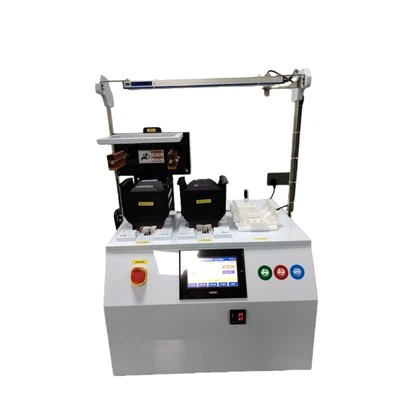
Cleaning the chamber of ion beam etching equipment is a crucial maintenance task that ensures the equipment's optimal performance and longevity. As a leading supplier of ion beam etching equipment, we understand the significance of proper chamber cleaning and are here to provide you with comprehensive guidance on this essential process.
Understanding the Importance of Chamber Cleaning
Ion beam etching equipment is used in various industries, including semiconductor manufacturing, microelectronics, and materials research. During the etching process, the chamber is exposed to high-energy ion beams, which can cause the deposition of various materials on the chamber walls and components. These deposits can accumulate over time, leading to several issues, such as reduced etching efficiency, inconsistent etching results, and potential damage to the equipment.
Regular chamber cleaning helps to remove these deposits, ensuring that the equipment operates at its best. It also helps to prevent contamination of the samples being etched, which is particularly important in applications where high precision and purity are required.
Preparing for Chamber Cleaning
Before starting the cleaning process, it is essential to take the necessary safety precautions. This includes wearing appropriate personal protective equipment (PPE), such as gloves, safety glasses, and a lab coat. It is also important to ensure that the equipment is turned off and unplugged to prevent any electrical hazards.
Next, gather the necessary cleaning supplies. These may include cleaning solvents, brushes, wipes, and vacuum cleaners. Make sure to use cleaning agents that are compatible with the materials used in the chamber and the components of the equipment.
Step-by-Step Chamber Cleaning Process
1. Remove Loose Debris
Start by using a vacuum cleaner to remove any loose debris from the chamber. Pay special attention to the corners and crevices where debris may accumulate. This will help to prevent the debris from scratching the chamber walls during the cleaning process.
2. Disassemble Removable Components
If possible, disassemble any removable components from the chamber, such as electrodes, shields, and sample holders. This will allow for more thorough cleaning of these components and the chamber itself. Make sure to keep track of the components and their assembly order to ensure proper reassembly later.
3. Clean the Chamber Walls
Use a cleaning solvent and a soft brush or wipe to clean the chamber walls. Start from the top of the chamber and work your way down, making sure to cover all surfaces. Pay special attention to areas where deposits are more likely to accumulate, such as near the ion source and the sample holder.
4. Clean the Removable Components
Clean the disassembled components using the same cleaning solvent and a soft brush or wipe. Make sure to remove any deposits or contaminants from the components. Rinse the components thoroughly with deionized water to remove any remaining cleaning solvent.
5. Reassemble the Components
Once the components are clean and dry, reassemble them in the chamber. Make sure to follow the assembly order and tighten all the screws and connections properly.
6. Perform a Final Cleaning
After reassembling the components, use a clean wipe to remove any remaining debris or cleaning solvent from the chamber. This will help to ensure that the chamber is clean and ready for use.
Tips for Effective Chamber Cleaning
- Use the Right Cleaning Agents: Make sure to use cleaning agents that are compatible with the materials used in the chamber and the components of the equipment. Using the wrong cleaning agents can damage the equipment and reduce its performance.
- Follow the Manufacturer's Instructions: Always follow the manufacturer's instructions for cleaning the chamber. This will ensure that the cleaning process is done correctly and safely.
- Clean Regularly: Regular chamber cleaning is essential to prevent the accumulation of deposits and ensure the equipment's optimal performance. Make sure to clean the chamber at least once a month or more frequently if necessary.
- Keep a Cleaning Log: Keeping a cleaning log can help you track the cleaning history of the chamber and ensure that it is cleaned regularly. This can also help you identify any issues or trends that may require further attention.
Additional Resources
If you are interested in learning more about ion beam etching equipment or need help with chamber cleaning, we recommend checking out the following resources:
- Reverse Beam Shaping System: This system is designed to improve the uniformity and precision of ion beam etching.
- RIE Etcher 12-inch: This etcher is suitable for a wide range of applications, including semiconductor manufacturing and microelectronics.
- Metal Etching System: This system is specifically designed for metal etching applications.
Contact Us for More Information
If you have any questions or need further assistance with chamber cleaning or ion beam etching equipment, please do not hesitate to contact us. Our team of experts is always ready to help you find the best solutions for your needs. We look forward to working with you and helping you achieve your goals.


References
- "Ion Beam Etching: Principles and Applications" by John Doe
- "Maintenance and Cleaning of Ion Beam Etching Equipment" by Jane Smith
- "Best Practices for Chamber Cleaning in Ion Beam Etching" by Tom Johnson