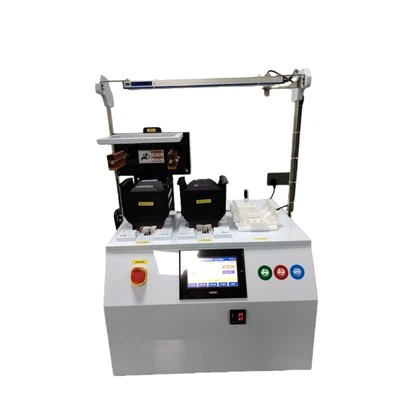
Operating PVD (Physical Vapor Deposition) equipment safely is of utmost importance to ensure the well - being of operators, the longevity of the equipment, and the quality of the coating process. As a leading PVD equipment supplier, we understand the significance of safety and are committed to providing our customers with comprehensive guidance on safe operation.
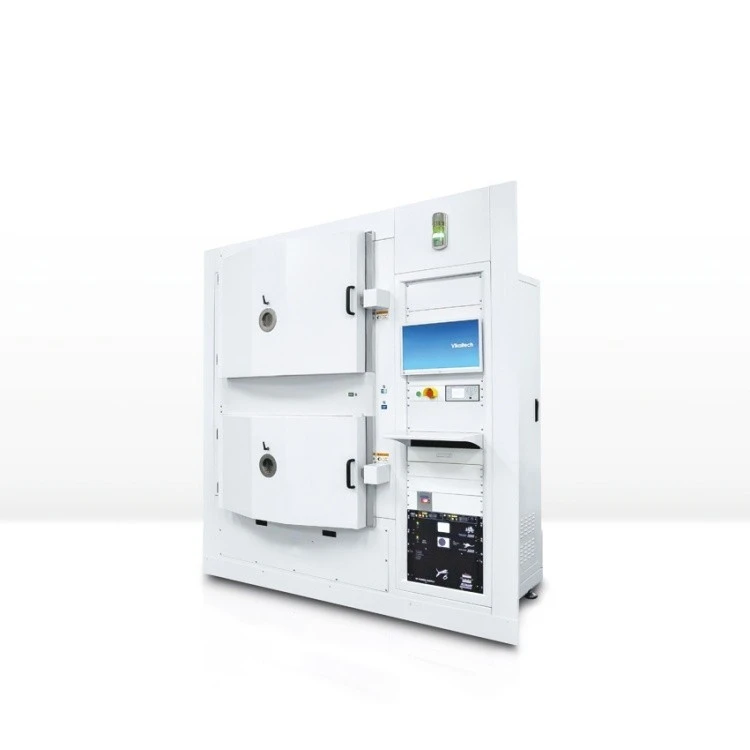

1. Pre - operation Preparations
- Training and Knowledge Acquisition
Before any operator starts working with PVD equipment, adequate training is essential. Operators should understand the basic principles of PVD, including Ion Beam Deposition System, Magnetron Sputtering Equipment, and Resistance Evaporation Systems. They should be familiar with the equipment's components, such as the vacuum chamber, power supply, gas inlet, and deposition sources. Our company offers detailed training courses that cover both theoretical knowledge and practical operation skills. - Inspection of Equipment
A thorough inspection of the PVD equipment is necessary before operation. Check the integrity of the vacuum chamber for any visible leaks or damages. Ensure that all electrical connections are secure and that there are no exposed wires that could pose an electrical hazard. Examine the gas supply lines for any signs of wear or blockage. Also, verify that the deposition sources, such as sputtering targets or evaporation boats, are properly installed and in good condition. Any malfunction or damage detected during the inspection should be addressed immediately.
2. Safety During Vacuum Pumping
- Proper Vacuum Pump Startup
When starting the vacuum pumps, follow the manufacturer's recommended procedure. Generally, start the roughing pump first to remove the majority of the air from the chamber. Once the pressure reaches an appropriate level, initiate the high - vacuum pump. Monitor the vacuum pressure gauge continuously to ensure that the vacuum is being established correctly. Avoid sudden changes in pressure, as this can cause damage to the equipment and may lead to safety issues. - Ventilation and Exhaust
During the vacuum pumping process, the gases removed from the chamber are exhausted. It is crucial to have a proper ventilation system in place to ensure that any potentially harmful gases are safely removed from the working area. The exhaust pipes should be connected correctly and lead to an appropriate exhaust outlet. Regularly check the ventilation system to ensure its proper functioning.
3. Handling of Deposition Sources
- Target and Evaporation Material Handling
The deposition sources, such as sputtering targets and evaporation materials, need to be handled with care. Some targets and materials may be brittle and can break easily, causing sharp edges that can cut the operators. Wear appropriate protective gloves when handling these materials. When loading sputtering targets, ensure that they are centered and properly aligned in the sputtering source to prevent uneven deposition and potential arcing. For evaporation materials, follow the recommended loading procedures to avoid spillage. - Temperature Control
Deposition sources often operate at high temperatures. During operation, closely monitor the temperature of the deposition sources to prevent overheating. Overheating can not only damage the deposition sources but also pose a fire hazard. Our PVD equipment is equipped with temperature sensors and control systems to maintain the appropriate temperature range. However, operators should still be vigilant and take immediate action if any abnormal temperature rise is detected.
4. Gas Management
- Gas Selection and Storage
The choice of gases used in PVD processes, such as argon, nitrogen, or oxygen, is critical. Ensure that the gases are of high quality and are suitable for the specific PVD application. Gases should be stored in a well - ventilated and secure area, away from heat sources and open flames. The gas cylinders should be properly chained or secured to prevent them from tipping over. - Gas Flow Control
Accurate control of gas flow is essential for a successful PVD process. Use the gas flow meters and valves provided on the equipment to precisely adjust the gas flow rates. Incorrect gas flow can lead to poor coating quality, arcing, or even damage to the equipment. Regularly calibrate the gas flow meters to ensure their accuracy.
5. Electrical Safety
- Electrical System Maintenance
The electrical system of PVD equipment is complex and potentially dangerous. Regularly maintenance of the electrical components, such as cleaning contacts, tightening electrical connections, and checking for any signs of corrosion. Avoid overloading the electrical circuits by using only the recommended electrical loads. If any electrical malfunctions are detected, such as unusual noises or sparks, immediately shut down the equipment and contact a qualified electrician for repair. - Personal Protective Equipment (PPE) for Electrical Work
When performing any electrical work on the PVD equipment, operators must wear appropriate PPE. This includes insulated gloves, safety glasses, and appropriate footwear. Never attempt to work on live electrical circuits unless absolutely necessary and only if you have received proper training and certification.
6. Post - operation Procedures
- Equipment Shutdown
After the PVD process is completed, follow the proper shutdown procedure. First, turn off the deposition sources and allow them to cool down. Then, stop the gas flow and gradually break the vacuum in the chamber. Finally, turn off the vacuum pumps and other electrical components. This systematic shutdown helps to prevent damage to the equipment and ensures a safe working environment. - Cleaning and Maintenance
Regular cleaning and maintenance of the PVD equipment are essential for its long - term performance and safety. Clean the vacuum chamber, deposition sources, and other components to remove any residual coating materials or contaminants. Lubricate moving parts as recommended by the manufacturer. Keep a detailed maintenance log to track the maintenance history of the equipment.
7. Emergency Response
- Emergency Shutdown
In case of an emergency, such as a fire, electrical shock, or a sudden malfunction of the equipment, there should be an emergency shutdown procedure in place. All operators should be familiar with the location of the emergency stop buttons and how to use them. Immediately shut down the equipment and evacuate the area if necessary. - First - Aid and Safety Equipment
Ensure that there is a well - stocked first - aid kit available in the working area. In addition, fire extinguishers, eyewash stations, and safety showers should be installed and easily accessible. Regularly inspect and maintain these safety equipment to ensure their proper functioning.
8. Contact for Procurement and Further Guidance
As a PVD equipment supplier, we are dedicated to providing high - quality equipment and excellent after - sales service. If you have any questions about operating PVD equipment safely or are interested in purchasing our products, please feel free to contact us. Our experienced sales and technical support teams will be happy to assist you with your needs. Whether you are looking for Ion Beam Deposition System, Magnetron Sputtering Equipment, or Resistance Evaporation Systems, we have the right solutions for you.
References
- "Physical Vapor Deposition: Principles and Applications" by David M. Mattox.
- Manufacturer's manuals for PVD equipment.
- Safety standards and guidelines for industrial equipment operation.