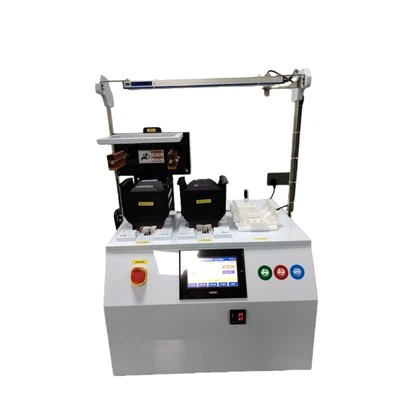
In the dynamic landscape of semiconductor manufacturing and advanced materials processing, Automatic Rapid Thermal Processing (RTP) Equipment stands as a cornerstone technology. As a leading supplier of Automatic RTP Equipment, we understand the critical role that network connectivity plays in optimizing the performance, efficiency, and functionality of these sophisticated systems. In this blog post, we will explore the various network connectivity options available for Automatic RTP Equipment, highlighting their benefits and applications.
Wired Ethernet Connectivity
Wired Ethernet is one of the most traditional and reliable network connectivity options for Automatic RTP Equipment. It offers high-speed data transfer rates, low latency, and robust security features. With an Ethernet connection, the RTP equipment can be directly connected to a local area network (LAN) or a wide area network (WAN), allowing seamless communication with other devices, servers, and control systems.
One of the key advantages of wired Ethernet connectivity is its stability. Unlike wireless connections, which can be affected by interference and signal strength fluctuations, Ethernet cables provide a consistent and reliable connection. This is particularly important for applications that require real-time data transfer and precise control, such as semiconductor manufacturing processes.
Another benefit of wired Ethernet is its scalability. Ethernet networks can easily accommodate multiple devices, allowing for the integration of multiple RTP equipment units into a single network. This enables centralized monitoring and control of the entire RTP system, improving operational efficiency and reducing downtime.
In addition, wired Ethernet offers enhanced security features. Ethernet networks can be protected by firewalls, intrusion detection systems, and other security measures, ensuring the confidentiality and integrity of the data transmitted between the RTP equipment and other devices.
Wireless Connectivity
Wireless connectivity has become increasingly popular in recent years, offering greater flexibility and mobility compared to wired connections. There are several wireless technologies available for Automatic RTP Equipment, including Wi-Fi, Bluetooth, and Zigbee.
Wi-Fi
Wi-Fi is a widely used wireless technology that allows devices to connect to a local network or the internet without the need for cables. Wi-Fi offers high-speed data transfer rates and can cover a relatively large area, making it suitable for applications where the RTP equipment needs to be moved or repositioned frequently.
One of the main advantages of Wi-Fi connectivity is its convenience. With a Wi-Fi connection, the RTP equipment can be easily connected to a network without the need for complex wiring installations. This makes it ideal for applications where the equipment needs to be deployed in different locations or where the network infrastructure is limited.
However, Wi-Fi also has some limitations. Wi-Fi signals can be affected by interference from other wireless devices, such as microwaves and cordless phones, which can result in reduced signal strength and data transfer rates. In addition, Wi-Fi networks are more vulnerable to security threats compared to wired networks, as they can be easily intercepted by unauthorized users.
Bluetooth
Bluetooth is a short-range wireless technology that is commonly used for connecting devices such as smartphones, tablets, and laptops. Bluetooth offers low-power consumption and can be used for applications where the RTP equipment needs to communicate with nearby devices, such as a control panel or a mobile device.
One of the advantages of Bluetooth connectivity is its simplicity. Bluetooth devices can be easily paired with each other without the need for complex configuration settings. This makes it ideal for applications where the equipment needs to be quickly and easily connected to a network.
However, Bluetooth has a limited range compared to Wi-Fi, typically up to 10 meters. This makes it suitable for applications where the RTP equipment needs to communicate with nearby devices but not for applications where the equipment needs to be connected to a network over a larger area.
Zigbee
Zigbee is a low-power, low-data-rate wireless technology that is designed for applications that require long battery life and reliable communication. Zigbee networks can be used to connect multiple RTP equipment units and other devices, allowing for the creation of a wireless sensor network.
One of the main advantages of Zigbee connectivity is its low power consumption. Zigbee devices can operate on a single battery for several years, making it ideal for applications where the RTP equipment needs to be powered by batteries or where the equipment needs to be deployed in remote locations.
In addition, Zigbee offers a high level of reliability and security. Zigbee networks use encryption and other security measures to ensure the confidentiality and integrity of the data transmitted between the devices.
Cellular Connectivity
Cellular connectivity is another option for Automatic RTP Equipment, particularly for applications where the equipment needs to be connected to a network over a wide area. Cellular networks offer high-speed data transfer rates and can cover a large geographical area, making them suitable for applications where the RTP equipment needs to be deployed in remote locations or where the network infrastructure is limited.
One of the main advantages of cellular connectivity is its mobility. With a cellular connection, the RTP equipment can be easily moved and repositioned without the need for complex wiring installations. This makes it ideal for applications where the equipment needs to be used in different locations or where the network infrastructure is limited.
However, cellular connectivity also has some limitations. Cellular networks can be affected by signal strength fluctuations and network congestion, which can result in reduced data transfer rates and increased latency. In addition, cellular connectivity can be expensive, particularly for applications that require high data transfer rates or large amounts of data to be transmitted.
Industrial Ethernet
Industrial Ethernet is a specialized version of Ethernet that is designed for use in industrial environments. Industrial Ethernet networks offer high-speed data transfer rates, low latency, and enhanced reliability and security features, making them suitable for applications where the RTP equipment needs to operate in harsh industrial conditions.
One of the main advantages of industrial Ethernet is its robustness. Industrial Ethernet networks are designed to withstand harsh environmental conditions, such as high temperatures, humidity, and vibration. This makes them ideal for applications where the RTP equipment needs to be used in industrial settings, such as semiconductor manufacturing plants and chemical processing facilities.
In addition, industrial Ethernet offers enhanced security features. Industrial Ethernet networks can be protected by firewalls, intrusion detection systems, and other security measures, ensuring the confidentiality and integrity of the data transmitted between the RTP equipment and other devices.
Another benefit of industrial Ethernet is its compatibility with other industrial automation technologies. Industrial Ethernet networks can be easily integrated with other industrial automation systems, such as programmable logic controllers (PLCs) and human-machine interfaces (HMIs), allowing for the seamless integration of the RTP equipment into the overall industrial automation system.
Choosing the Right Network Connectivity Option
When choosing a network connectivity option for Automatic RTP Equipment, several factors need to be considered, including the application requirements, the environment in which the equipment will be used, and the budget.
- Application Requirements: The application requirements will determine the type of network connectivity that is needed. For applications that require high-speed data transfer rates and real-time control, wired Ethernet or industrial Ethernet may be the best option. For applications that require greater flexibility and mobility, wireless connectivity may be more suitable.
- Environment: The environment in which the RTP equipment will be used will also affect the choice of network connectivity. For applications that require the equipment to operate in harsh industrial conditions, industrial Ethernet may be the best option. For applications that require the equipment to be used in a more controlled environment, Wi-Fi or Bluetooth may be more suitable.
- Budget: The budget will also play a role in the choice of network connectivity. Wired Ethernet and industrial Ethernet are generally more expensive than wireless connectivity options, but they offer greater reliability and security. Wireless connectivity options, such as Wi-Fi and Bluetooth, are generally more affordable, but they may not offer the same level of reliability and security as wired connections.
Conclusion
In conclusion, network connectivity is an essential aspect of Automatic RTP Equipment, enabling seamless communication between the RTP equipment and other devices, servers, and control systems. There are several network connectivity options available for Automatic RTP Equipment, including wired Ethernet, wireless connectivity, cellular connectivity, and industrial Ethernet. Each option has its own advantages and disadvantages, and the choice of network connectivity will depend on the application requirements, the environment in which the equipment will be used, and the budget.
As a leading supplier of Automatic RTP Equipment, we offer a range of network connectivity options to meet the diverse needs of our customers. Our Proton Exchange Furnace, Low-Temperature RTP Equipment, and High-Temperature Oxidation RTP Equipment can be easily integrated with different network connectivity options, allowing for seamless communication and control.
If you are interested in learning more about our Automatic RTP Equipment and the network connectivity options available, please contact us to discuss your specific requirements. Our team of experts will be happy to assist you in choosing the right network connectivity option for your application and provide you with a customized solution that meets your needs.


References
- IEEE 802.3 Standard for Ethernet
- Wi-Fi Alliance Wi-Fi Standards
- Bluetooth Special Interest Group Bluetooth Standards
- Zigbee Alliance Zigbee Standards
- 3GPP Cellular Network Standards
- Industrial Ethernet Association Industrial Ethernet Standards